Water is the essence of life — yet not all water is the same. From bottled brands lining supermarket shelves to filtered, mineral, and alkaline options, each type has unique properties, benefits, and drawbacks. Understanding the differences can help you make healthier and more sustainable choices.
1. Bottled Water
Bottled water is convenient and widely available, but it often comes at an environmental cost. It’s typically sourced from springs, wells, or purified tap water. While it provides a sense of safety and purity, studies show that many bottled waters are not significantly different from filtered tap water.
Pros:
- Convenient and portable
- Long shelf life
Cons:
- Environmental pollution from plastic waste
- Expensive compared to tap or filtered water
- Some brands may contain microplastics
💧 Eco Tip: If you prefer bottled water, choose brands that use recyclable materials or biodegradable bottles.
2. Filtered Water
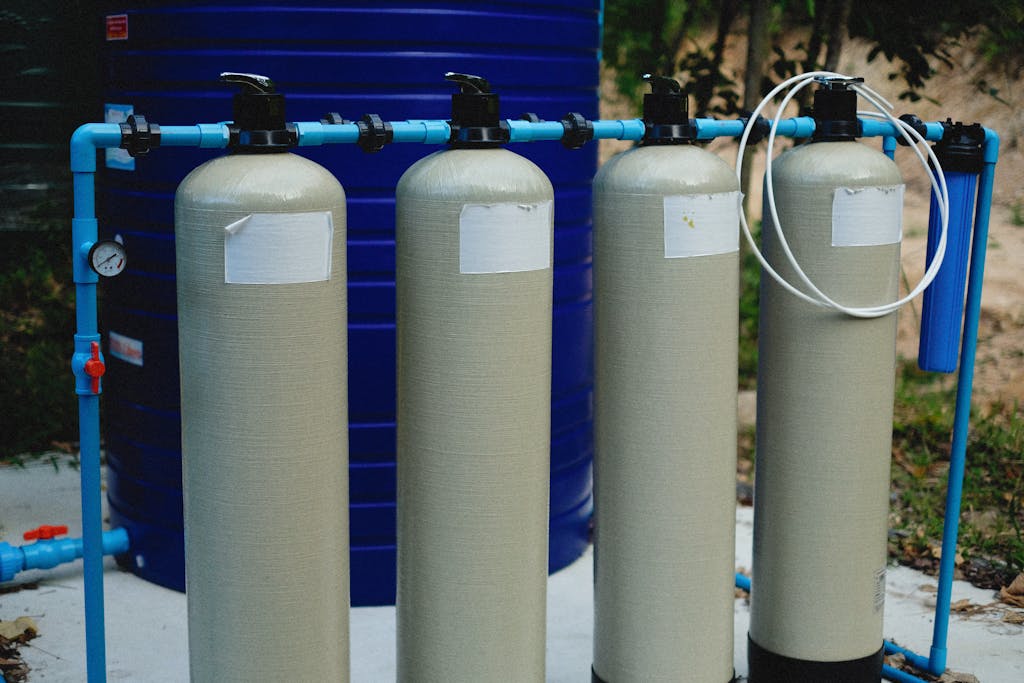
Filtered water comes from your tap but passes through a filtration system to remove impurities such as chlorine, lead, and bacteria. Modern filters, like activated carbon or reverse osmosis systems, significantly improve taste and safety.
Pros:
- Cost-effective in the long run
- Reduces harmful contaminants
- Environmentally friendly (no plastic waste)
Cons:
- Requires maintenance (changing filters)
- Quality depends on your filter system
🌿 Pro Tip: Use a high-quality home water filter and reusable bottles for the best combination of health and sustainability.
3. Mineral Water
Mineral water naturally contains minerals like calcium, magnesium, and potassium — essential for bodily functions. It’s sourced from underground springs and is bottled directly at the source, ensuring purity and natural composition.
Pros:
- Rich in natural minerals
- Good for hydration and electrolyte balance
- No need for additional treatment
Cons:
- Can be expensive
- May have a strong taste due to minerals
⚖️ Health Note: Choose mineral waters with balanced mineral content and low sodium for everyday hydration.
4. Alkaline Water
Alkaline water has a higher pH level (usually 8 or 9) compared to regular water (pH 7). It’s believed to neutralize acidity in the body and improve metabolism, though scientific evidence is still limited.
Pros:
- May reduce acid reflux
- Smooth taste for some people
Cons:
- Expensive and often overhyped
- Excess alkalinity may affect stomach acidity
🧪 Science Fact: While alkaline water can be part of a healthy diet, your body naturally maintains its pH balance regardless of the water type you drink.
💧 Which Water Is Best for You?
The ideal choice depends on your lifestyle and priorities:
- For convenience: Bottled water
- For health and savings: Filtered water
- For natural minerals: Mineral water
- For specific health preferences: Alkaline water
Ultimately, clean, safe hydration is what matters most. Choose the option that fits your values — and the planet’s needs.
🌍 Final Thoughts
Water is more than just hydration — it’s a daily choice that affects your health, wallet, and environment. By understanding the types of water and their differences, you can make informed decisions that support both your body and the planet.
💦 Want to know which water type suits your health goals?
Read more on our Healthy Living Guide or subscribe to our newsletter for weekly wellness tips!