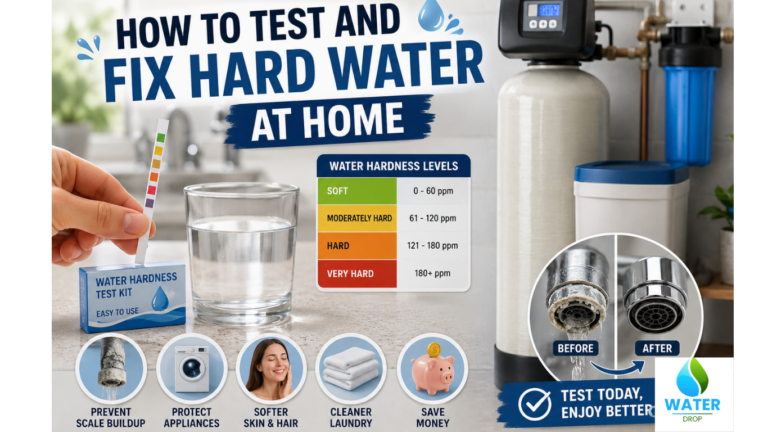
Introduction
Most people assume their tap water is safe. However, harmful heavy metals in drinking water are more common than you might think. From lead to arsenic, these toxic elements can enter your home’s water supply in several ways—posing long-term health risks. In this article, we’ll explain why they’re there and the best steps you can take to protect yourself.
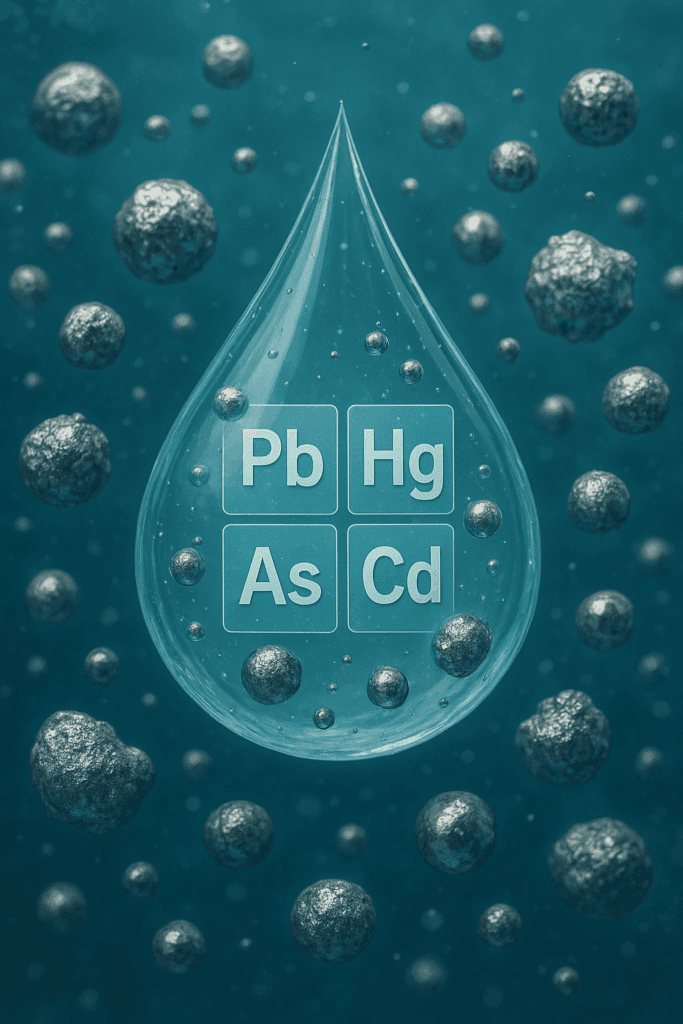
What Are Heavy Metals in Water?
Heavy metals are dense, naturally occurring elements. While some (like zinc and copper) are essential in small amounts, others—including lead, arsenic, cadmium, mercury, and chromium-6—are toxic even at very low levels. Once in your water, they can be difficult to detect because they are colorless, odorless, and tasteless.
How Do Heavy Metals Get Into Tap Water?
- Aging Infrastructure
Old lead pipes and plumbing fixtures can leach toxic metals directly into drinking water. - Industrial Pollution
Mining, manufacturing, and improper waste disposal contaminate nearby water supplies with heavy metals. - Agricultural Runoff
Pesticides, fertilizers, and livestock operations can introduce arsenic, cadmium, and other metals into groundwater. - Natural Sources
Some regions naturally have higher levels of arsenic and other metals in soil, which seep into groundwater.
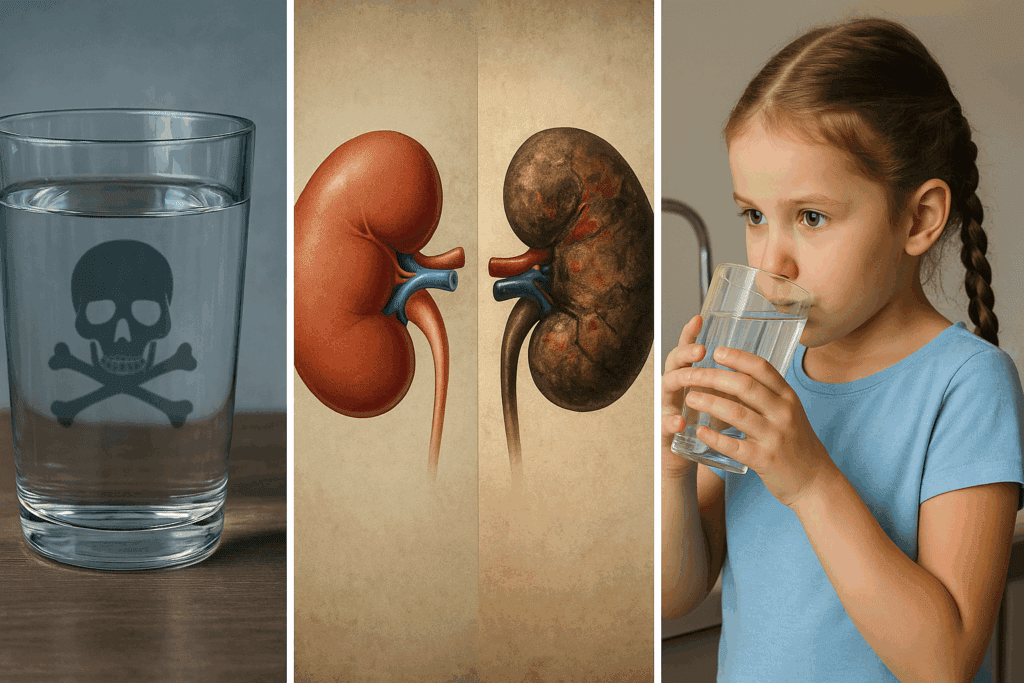
Health Risks of Heavy Metals in Tap Water
Even at trace levels, heavy metals accumulate in the body and cause severe long-term health problems:
- Lead: Brain and nervous system damage, developmental delays in children.
- Arsenic: Skin lesions, cancers, and cardiovascular disease.
- Mercury: Kidney and neurological damage.
- Cadmium: Weakens bones, harms kidneys.
- Chromium-6: A known carcinogen that causes stomach and intestinal issues.
How to Protect Yourself from Heavy Metals in Water
Check Your Annual Water Quality Report
Public water utilities are required to share what contaminants are found in your water.
Test Your Water at Home
If you have an older home or well water, use a certified lab test to detect hidden contaminants.
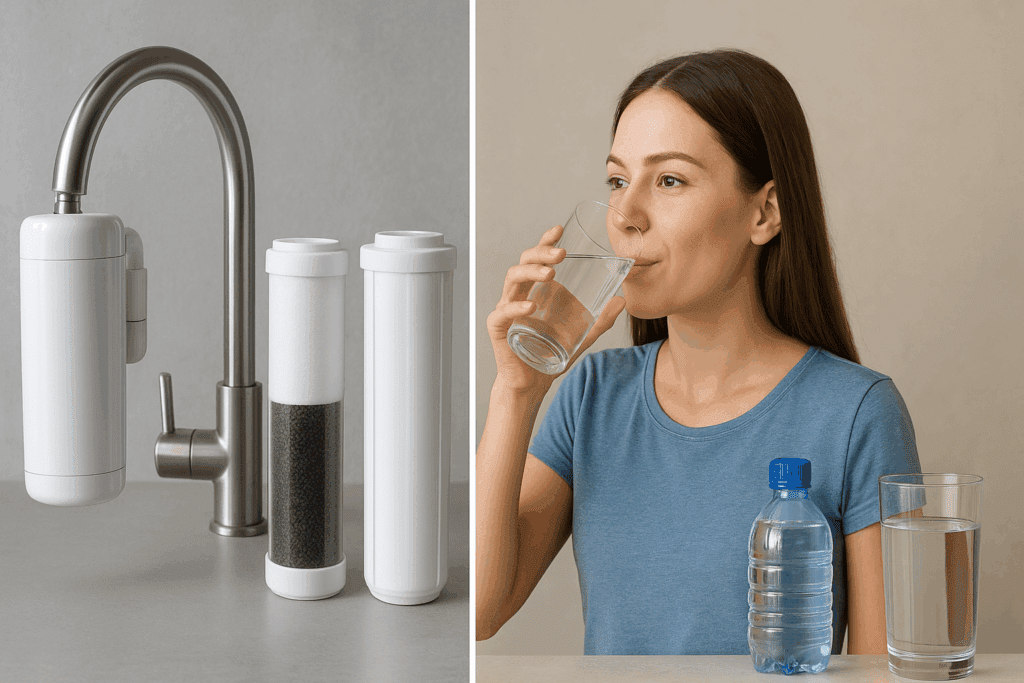
Invest in Certified Water Filters
Look for NSF/ANSI-certified filters that specifically remove lead, arsenic, mercury, and chromium. Options include:
- Faucet-mounted filters
- Under-sink systems
- Whole-house filtration systems
Flush Your Plumbing
Let tap water run for a few minutes before drinking or cooking, especially in older homes.
Use Alternative Water Sources
Consider bottled or delivered spring water if your local water is consistently unsafe.
Conclusion
Harmful heavy metals in tap water are a serious concern, but with the right information and proactive steps, you can protect yourself and your family. Regular testing, proper filtration, and staying informed about your local water supply are the most effective ways to reduce exposure.
Clean water is the foundation of good health—make sure yours is safe.