Introduction
Access to clean and safe drinking water is one of the most fundamental necessities for human health. For billions of people worldwide, tap water is the primary source of daily hydration. Yet one question continues to appear frequently in health discussions and online searches: Is tap water safe to drink?
In many developed countries, tap water undergoes rigorous purification, monitoring, and safety testing before reaching households. Despite this, concerns remain due to factors such as:
- aging water infrastructure
- chemical contamination
- heavy metals in pipes
- agricultural pollutants
- microbial contamination
According to the World Health Organization, safe drinking water is essential not only for hydration but also for preventing disease and maintaining overall public health.
This comprehensive guide examines the safety of tap water from a scientific, practical, and health perspective, helping readers understand the real risks, benefits, and solutions.
Is Tap Water Safe to Drink?
Yes, in most developed countries tap water is considered safe to drink because it is treated and regulated under strict health standards.
However, safety can vary depending on:
- local water treatment systems
- pipe infrastructure
- environmental contamination
- regional regulations
While municipal water treatment removes the majority of harmful contaminants, many households choose additional water filtration systems to further improve purity, taste, and safety.
How Tap Water Is Treated Before Reaching Your Home
Municipal water systems follow multiple purification stages to ensure water safety.
Main Water Treatment Stages
| Stage | Purpose |
|---|---|
| Water Collection | Water is sourced from rivers, lakes, reservoirs, or underground aquifers |
| Coagulation & Sedimentation | Removes large particles and suspended materials |
| Filtration | Removes smaller particles and microorganisms |
| Disinfection | Eliminates bacteria and viruses using chlorine, ozone, or UV |
| Distribution | Water travels through pipelines to homes |
This process significantly reduces:
- bacteria
- parasites
- viruses
- suspended particles
- harmful chemicals
However, contamination may still occur after treatment, especially within old plumbing systems.
Common Contaminants Found in Tap Water
Although tap water meets safety regulations in most regions, some contaminants may still be present in trace amounts.
| Contaminant | Source | Possible Health Effects |
|---|---|---|
| Lead | Old pipes and plumbing | Neurological damage, especially in children |
| Nitrates | Agricultural fertilizers | Blood oxygen problems |
| Chlorine | Water disinfection | Taste and odor issues |
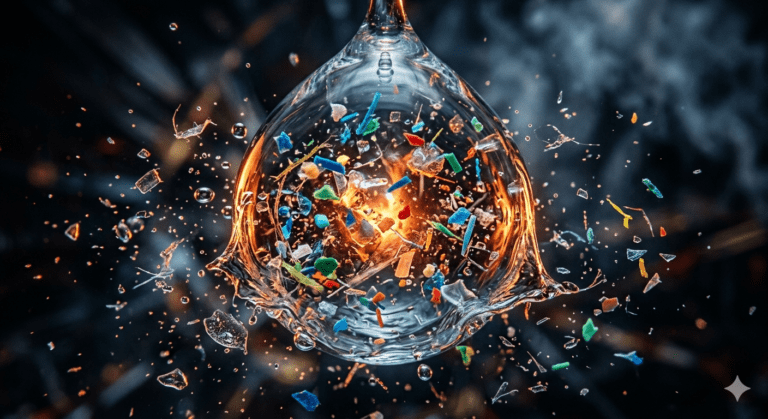
| Microplastics | Environmental pollution | Long-term health effects still studied |
| Bacteria | Poor infrastructure | Gastrointestinal illness |
Global Drinking Water Statistics
According to the World Health Organization:
| Statistic | Global Data |
|---|---|
| Population with safe drinking water access | 74% |
| People lacking safe drinking water | ~2 billion |
| Annual deaths linked to contaminated water | ~485,000 |
These numbers highlight how water safety greatly depends on regional infrastructure and sanitation systems.
How to Check If Your Tap Water Is Safe
Even in countries with strong regulations, it is wise to understand your local water quality.
1. Review Local Water Quality Reports
Most municipalities publish annual drinking water quality reports. These reports provide detailed information about:
- chemical levels
- bacterial presence
- water hardness
- pH levels
- heavy metal concentrations
2. Observe Taste, Smell, and Appearance
Certain sensory indicators may signal a potential issue.
Possible warning signs include:
- metallic taste
- strong chlorine smell
- cloudy appearance
- unusual color
While these signs do not always indicate danger, they can signal the need for further testing.
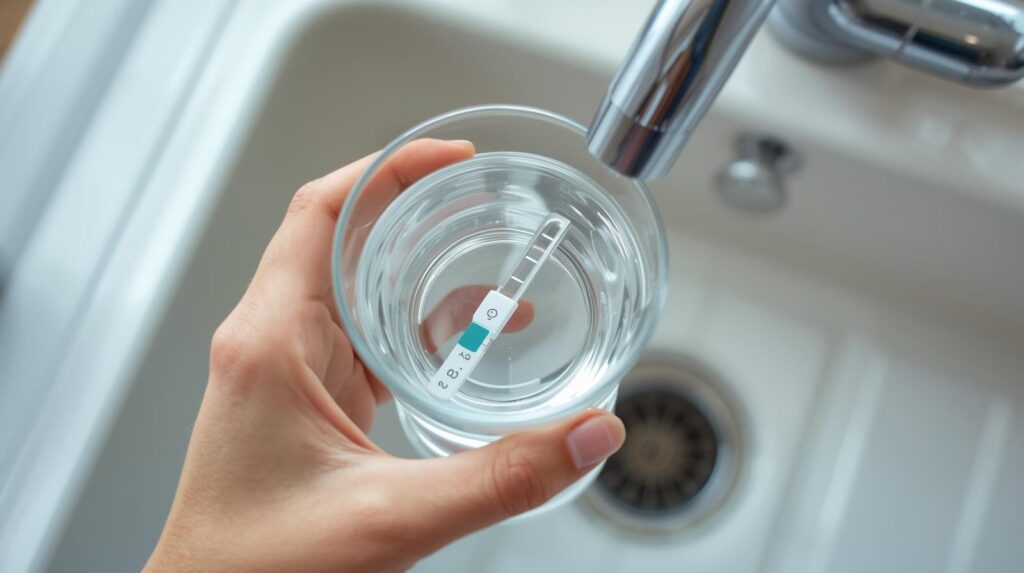
3. Use Home Water Testing Kits
Home testing kits allow consumers to test for:
- lead
- bacteria
- nitrates
- chlorine levels
- water hardness
These kits provide quick insight into possible contamination.
4. Flush Old Pipes
In buildings with older plumbing systems, experts recommend running the tap for 30–60 seconds before drinking the water. This helps flush out water that may have absorbed metals from pipes.
Filtration Solutions
Although municipal water is generally safe, many households install water filtration systems to improve quality.
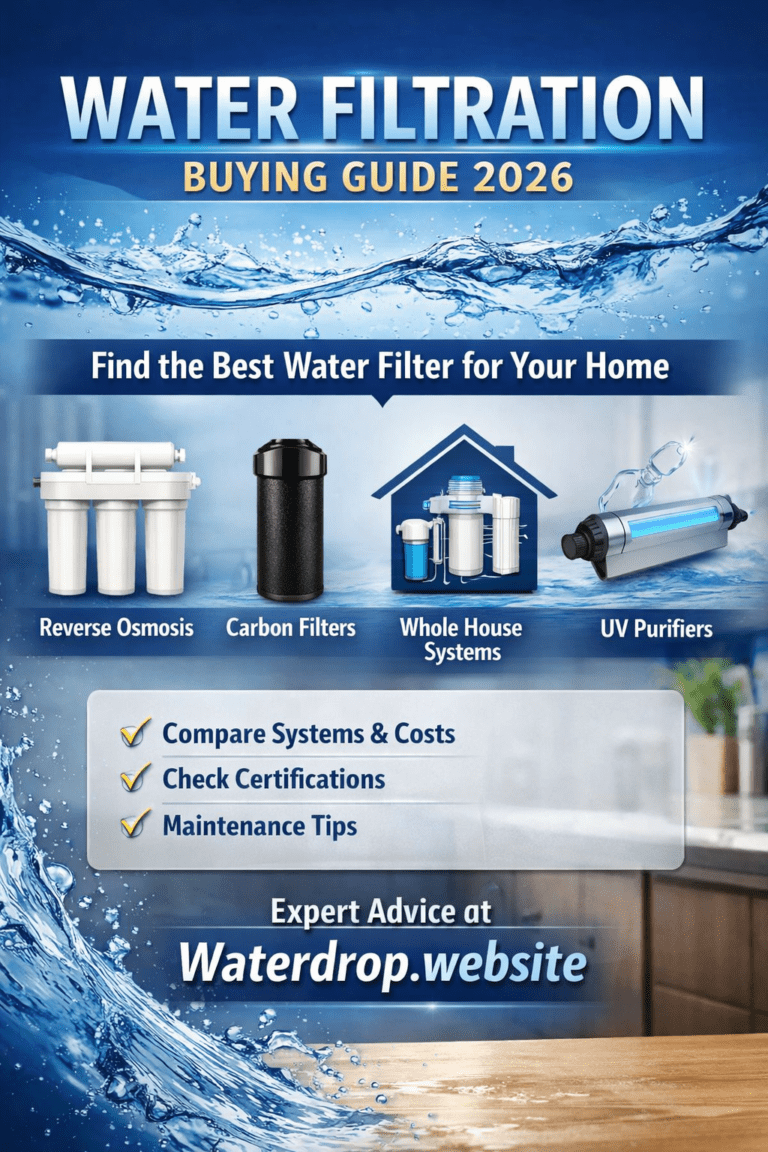
Common Types of Water Filters
| Filter Type | Technology | Removes |
|---|---|---|
| Activated Carbon | Adsorption | Chlorine, organic chemicals |
| Reverse Osmosis | Semi-permeable membrane | Heavy metals, salts |
| UV Purification | Ultraviolet light | Bacteria and viruses |
| Ceramic Filters | Microporous material | Microorganisms |
Reverse Osmosis Filtration
Reverse osmosis (RO) is one of the most advanced household water purification methods.
Benefits include removal of:
- up to 99% of heavy metals
- nitrates
- fluoride
- bacteria
- dissolved salts
However, RO systems typically:
- require higher installation costs
- require periodic maintenance
Activated Carbon Filters
Activated carbon filters are among the most popular household water filtration systems.
Advantages include:
- low cost
- easy installation
- improved taste and odor
- effective chlorine removal
They are commonly used in:
- faucet filters
- water filter pitchers
- refrigerator filters
Is bottled water safer than tap water?
Not necessarily. In many regions, tap water is tested more frequently than bottled water. Additionally, bottled water can contain microplastics from plastic packaging.
Can children drink tap water safely?
Yes, if the water meets health standards. However, in homes with old plumbing systems, installing a water filter is recommended.
How can I tell if my tap water contains lead?
Lead has no taste, smell, or color. The only reliable detection method is laboratory testing or certified home testing kits.
Does boiling water make it safe?
Boiling water can kill:
- bacteria
- parasites
- viruses
However, it does not remove chemicals or heavy metals.
How often should water filters be replaced?
| Filter Type | Replacement Frequency |
|---|---|
| Water filter pitcher | 1–2 months |
| Faucet filter | 3–6 months |
| Reverse osmosis filters | 6–12 months |
Regular replacement ensures optimal filtration performance and safety.
Conclusion
The question “Is Tap Water Safe to Drink?” depends largely on location, infrastructure, and water treatment standards. In most developed countries, municipal water systems are designed to deliver clean and safe drinking water to households.
However, factors such as:
- aging pipes
- environmental pollutants
- regional water quality differences
may still affect tap water purity.
For maximum peace of mind, many households combine regular water quality monitoring with effective filtration systems. This approach ensures the highest possible level of safety, taste, and overall water quality for everyday consumption.