Water plays a critical role in human health. The human body consists of about 60% water, and proper hydration supports brain function, digestion, circulation, and temperature regulation.
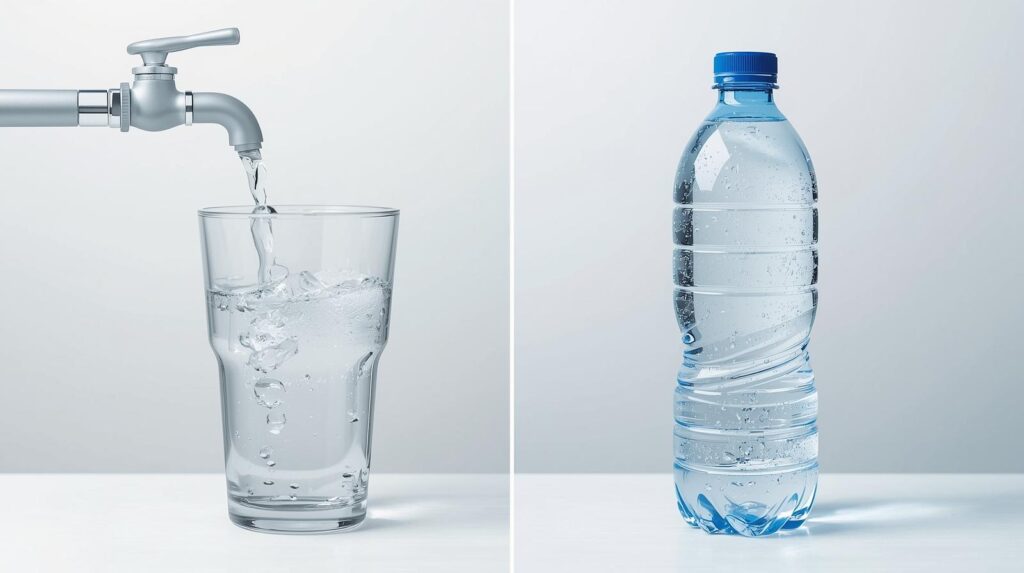
Today, people usually choose between two main drinking water sources:
Many consumers believe bottled water provides higher purity or better safety. Others prefer tap water because it costs less and produces less environmental waste.
But which option actually delivers the best balance of health, safety, cost, and sustainability?
In this article, we examine tap water vs bottled water using scientific research, statistics, and practical advice.
Tap Water vs Bottled Water – Quick Answer
In most developed countries, tap water provides the same level of safety as bottled water and often undergoes stricter regulation. At the same time, tap water costs significantly less and produces far less environmental waste.
Comparison Table
Factor
Tap Water
Bottled Water
Safety
Governments strictly regulate it
Usually safe but less frequently tested
Cost
Extremely low
Much higher
Environmental Impact
Very low
High
Microplastics
Lower levels
Higher levels
Convenience
Moderate
High
Researchers have found that bottled water can create up to 3,500 times more environmental impact than tap water due to plastic production and transportation.
Scientific Explanation
How Authorities Regulate Tap Water
Government agencies monitor tap water and enforce strict drinking water standards.
Organizations such as:
World Health Organization (WHO)
Environmental Protection Agency (EPA)
European Environment Agency (EEA)
establish guidelines that protect public health.
Water authorities test drinking water regularly for:
Water is life. It keeps us healthy, grows our food, powers industries, and supports ecosystems worldwide. But not all water is safe to drink or use straight from nature. It can contain dirt, germs, chemicals,…
How to Filter Water in Your Country House or Cottage Living or spending time in a country house or cottage offers peace, nature, and freedom—but it often comes with one important challenge: water quality. If…
Introduction Most people assume their tap water is safe. However, harmful heavy metals in drinking water are more common than you might think. From lead to arsenic, these toxic elements can enter your home’s water…
Have you ever noticed white spots on your dishes, dry skin after showering, or limescale building up on your faucets and appliances? These are common signs of hard water. Water hardness is one of the…
Water is something we use every single day — for drinking, cooking, bathing, and cleaning. But have you ever stopped to ask yourself: Is the water in my home truly safe and clean? Even if…
Water is the essence of life — yet not all water is the same. From bottled brands lining supermarket shelves to filtered, mineral, and alkaline options, each type has unique properties, benefits, and drawbacks. Understanding…