Have you ever noticed white spots on your dishes, dry skin after showering, or limescale building up on your faucets and appliances? These are common signs of hard water.
Water hardness is one of the most important aspects of water quality, yet many homeowners don’t realize how much it can affect daily life. From higher energy bills to damaged appliances, hard water can create several problems inside your home.
A Water Hardness Test is a simple way to measure the amount of minerals—mainly calcium and magnesium—found in your water supply. Testing your water helps you understand whether your water is soft, moderately hard, or very hard, so you can choose the right treatment solution.
According to the World Health Organization, hard water is generally safe to drink. However, it can still cause issues with plumbing systems, household appliances, soap performance, and cleaning efficiency.
In this guide, you’ll learn:
- What water hardness really means
- How to test hard water at home
- The effects of hard water
- Scientific explanations in simple language
- The best filtration solutions
- Helpful maintenance tips
- Answers to the most common questions
Clear Answer (Featured Snippet)
What Is a Water Hardness Test?
A Water Hardness Test measures the amount of dissolved minerals—mostly calcium and magnesium—in water. These minerals determine whether water is considered soft or hard.
Hard water usually leaves mineral deposits, also called limescale, on faucets, pipes, and appliances.
Water Hardness Levels
| Hardness Level | ppm / mg/L | Water Type |
|---|---|---|
| 0–60 | Soft | Soft Water |
| 61–120 | Moderate | Moderately Hard |
| 121–180 | Hard | Hard Water |
| 180+ | Very Hard | Very Hard Water |
Common Signs of Hard Water
- White spots on dishes
- Dry skin and hair
- Soap that doesn’t lather well
- Limescale on faucets
- Reduced appliance performance
- Higher detergent use
Testing your water hardness helps you decide whether you need a filtration or water softening system.
Scientific Explanation
What Causes Hard Water?
Hard water forms naturally when water moves through rocks like limestone and chalk. During this process, the water absorbs minerals such as:
- Calcium
- Magnesium
The more minerals the water contains, the harder it becomes.
The Science Behind Water Hardness
Water hardness is usually measured as calcium carbonate concentration:
Total Hardness=[Ca2+]+[Mg2+] expressed as CaCO3
In simple terms, this formula shows the total amount of calcium and magnesium minerals dissolved in water.
Temporary vs Permanent Hardness
Temporary Hardness
This type is caused by bicarbonate minerals and can sometimes be reduced by boiling water.
Permanent Hardness
This type comes from sulfate and chloride minerals and requires proper filtration or water softening systems.
Units Used in Water Hardness Testing
| Unit | Meaning |
|---|---|
| ppm | Parts per million |
| mg/L | Milligrams per liter |
| gpg | Grains per gallon |
Easy Conversion Formula
1 gpg≈17.1 ppm
How Water Hardness Tests Work
There are several easy ways to test water hardness.
1. Test Strips
These strips change color depending on mineral concentration. They are affordable and easy to use at home.
2. Liquid Test Kits
These kits use special drops to measure hardness more accurately.
3. Digital Water Testers
Electronic meters provide fast and highly accurate readings.
How Hard Water Affects Your Home
Hard water may not seem like a serious problem at first, but over time it can affect many parts of your home.
Appliances Affected by Hard Water
- Water heaters
- Coffee machines
- Dishwashers
- Washing machines
- Kettles
- Pipes
Mineral buildup inside appliances reduces efficiency and increases energy consumption.
Everyday Problems Caused by Hard Water
| Problem | Cause |
|---|---|
| White residue on taps | Calcium deposits |
| Dry skin after showering | Soap residue left behind |
| Dull hair | Mineral buildup |
| Stiff laundry | Hard minerals in fabric |
Water Hardness Statistics
Hard water is more common than many people realize.
| Statistic | Estimated Value |
|---|---|
| Homes in Europe affected by hard water | ~60% |
| Increase in energy usage due to limescale | Up to 25% |
| Reduction in water heater lifespan | Up to 40% |
| Extra detergent use in hard water homes | Up to 50% |
These numbers show why testing and treating hard water can save money over time.
Practical Advice
How to Tell If You Have Hard Water
You may have hard water if you notice:
- White spots on glasses
- Chalky residue on faucets
- Dry or itchy skin
- Soap scum in bathrooms
- Appliances breaking down more often
- Lower water pressure
If these problems sound familiar, performing a Water Hardness Test is a smart first step.
When Should You Test Your Water?
| Situation | Recommended Testing |
|---|---|
| Moving into a new home | Immediately |
| Using well water | Every 6 months |
| Installing filters | Before and after installation |
| Restaurants or cafés | Every 3–6 months |
| General home maintenance | Once a year |
Simple Home Water Hardness Test
Step 1
Fill a clean glass with tap water.
Step 2
Dip a hardness test strip into the water.
Step 3
Wait for the recommended time.
Step 4
Compare the color to the hardness chart included with the kit.
Quick Soap Test
You can also try a simple DIY test.
Instructions
- Fill a bottle with water.
- Add a few drops of liquid soap.
- Shake the bottle.
Results
| Result | Meaning |
|---|---|
| Lots of bubbles | Soft water |
| Few bubbles and cloudy water | Hard water |
This method is not perfectly accurate, but it can give you a quick idea.
Helpful Maintenance Tips
Protect Your Appliances
- Descale coffee makers regularly
- Clean showerheads monthly
- Flush water heaters yearly
- Use anti-scale cleaning products
Improve Water Quality
- Install a water softener
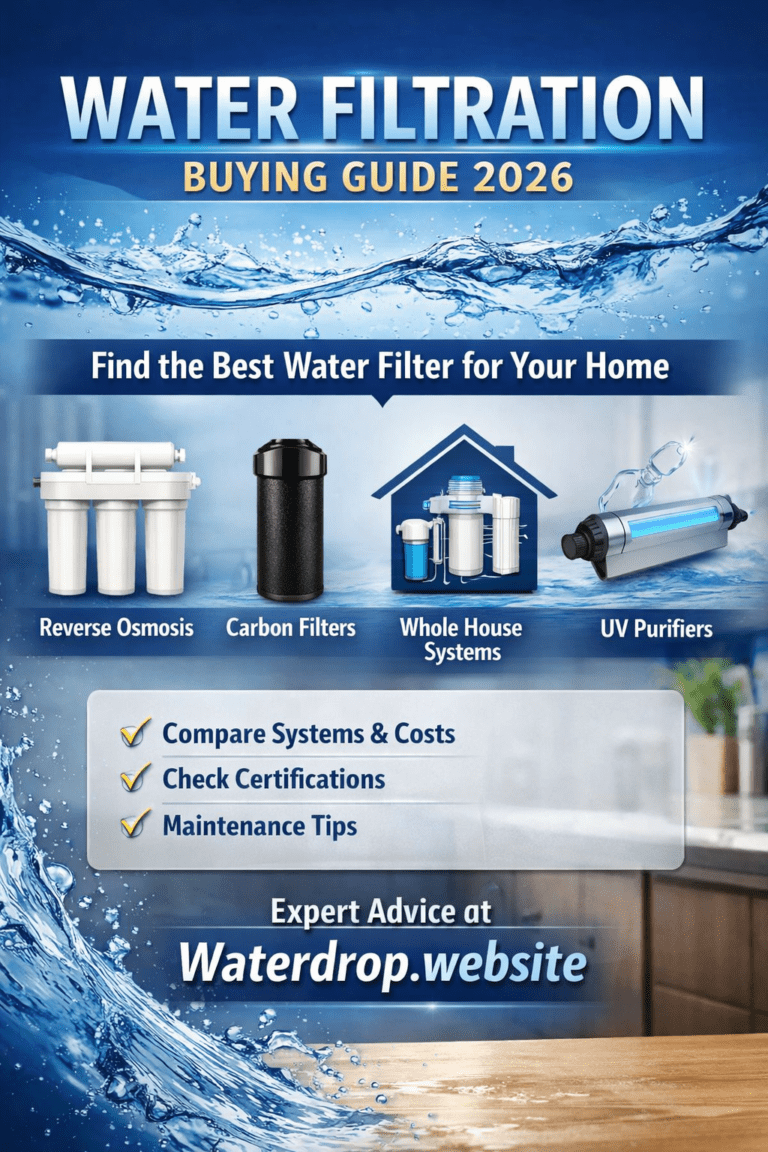
- Use reverse osmosis systems
- Test your water regularly
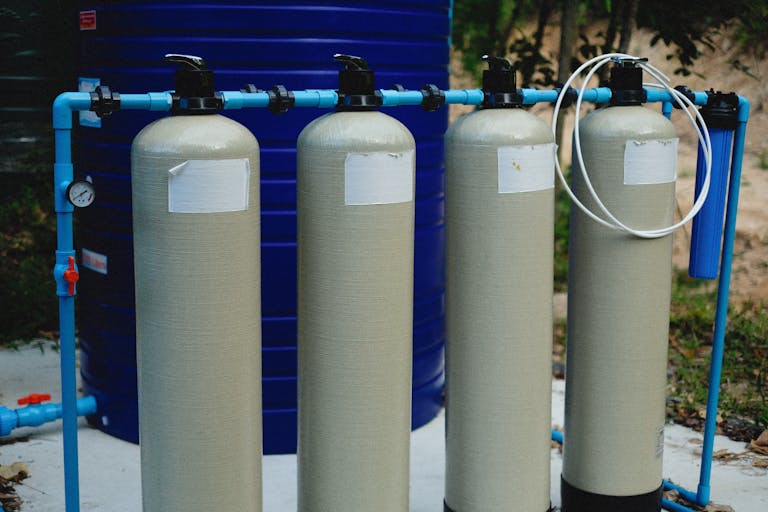
Filtration Solutions
The best solution depends on how hard your water is and what problems you want to solve.
Water Softeners
Water softeners remove calcium and magnesium using ion exchange technology.
Benefits
- Prevents limescale buildup
- Extends appliance lifespan
- Makes cleaning easier
- Improves soap performance
Drawbacks
- Requires maintenance
- Uses salt
- Higher installation cost
2. Reverse Osmosis Systems
Reverse osmosis systems remove:
- Hardness minerals
- Heavy metals
- Chemicals
- Bacteria
Best For
- Drinking water
- Very hard water areas
- High-quality filtration needs
3. Carbon Filters
Carbon filters mainly improve:
- Taste
- Odor
- Chlorine levels
However, they do not effectively remove water hardness.
4. Electronic or Magnetic Descalers
These systems help reduce limescale buildup without completely removing minerals.
Good For
- Pipe protection
- Reducing scale deposits
- Supporting existing filtration systems
Filtration Comparison Table
| System | Removes Hardness | Cost | Maintenance |
|---|---|---|---|
| Water Softener | Yes | Medium–High | Moderate |
| Reverse Osmosis | Yes | High | High |
| Carbon Filter | No | Low | Low |
| Electronic Descaler | Partial | Medium | Low |
FAQ Section
Is hard water bad for your health?
According to the World Health Organization, hard water is generally safe to drink.
Can hard water damage appliances?
Yes. Limescale buildup can reduce efficiency and shorten appliance lifespan.
What is the ideal water hardness level?
Most experts consider 60–120 ppm to be a balanced range for residential use.
How often should I test my water?
At least once a year, or more often if you use well water.
Does boiling water remove hardness?
Boiling only removes temporary hardness, not permanent hardness.
What is the easiest way to test hard water?
Test strips are the easiest and most affordable option for homeowners.
Do all water filters remove hardness?
No. Water softeners and reverse osmosis systems are the most effective options for reducing hardness minerals.
References to Organizations
Trusted organizations that provide information about water quality and water hardness include:
- World Health Organization
- United States Environmental Protection Agency
- Centers for Disease Control and Prevention
- European Environment Agency
- National Sanitation Foundation
Conclusion
A Water Hardness Test is one of the easiest ways to better understand your water quality and protect your home from long-term damage.
While hard water is usually safe to drink, it can lead to:
- Limescale buildup
- Higher energy bills
- Appliance damage
- Plumbing issues
- Extra cleaning effort
The good news is that testing water hardness is simple, affordable, and highly useful. Once you know your water hardness level, you can choose the right filtration or softening system for your needs.
Whether you use test strips, digital testers, or professional lab analysis, monitoring your water quality is an important step toward cleaner, healthier, and more efficient water use at home or in business.