Introduction
Water is one of those things we tend to take for granted—until something goes wrong. You turn on your tap expecting clean, safe water, but how sure are you that it actually meets quality standards? Whether you’re drinking, cooking, or bathing, the quality of your water plays a direct role in your health and well-being. That’s where water testing kits come into play.
Think of water testing kits as your first line of defense. They give you the power to understand what’s in your water without needing a lab technician or expensive equipment. From detecting chlorine and pH levels to identifying harmful contaminants like lead or bacteria, these kits are designed to provide quick insights into your water’s safety.
In today’s world, where pollution and infrastructure issues are increasingly common, relying solely on municipal reports isn’t enough. You need real-time, personal insights. This guide breaks everything down—from science to practical use—so you can confidently test your water and take action if needed.
Clear Answer (Featured Snippet)
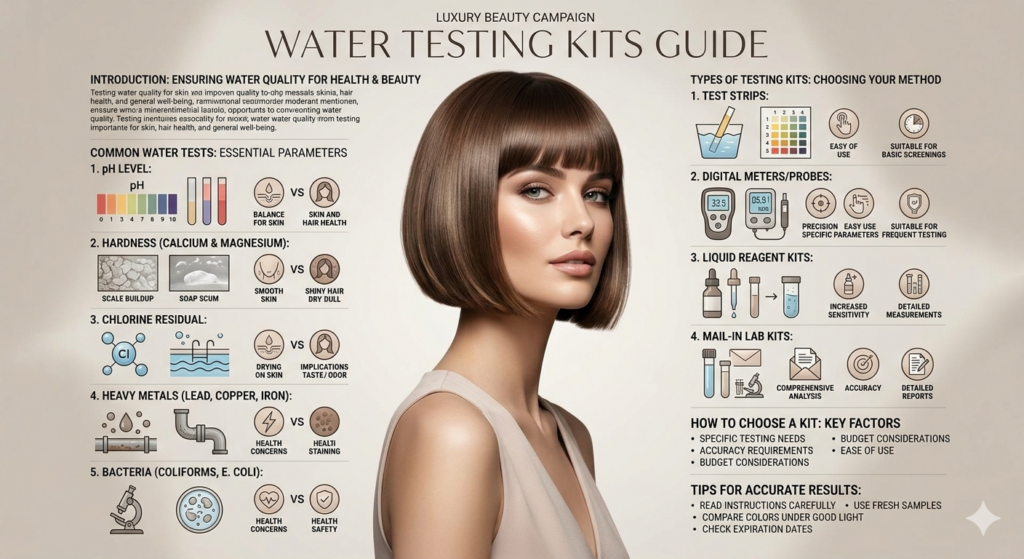
Water testing kits are tools designed to measure the quality and safety of water by detecting contaminants such as bacteria, heavy metals, pH levels, chlorine, and more. They come in various forms, including test strips, digital testers, and laboratory kits, allowing users to quickly assess whether their water is safe for drinking and household use.
Scientific Explanation
What Is Water Quality?
Water quality refers to the chemical, physical, and biological characteristics of water. It determines whether water is safe for consumption, agriculture, or industrial use. When we talk about “clean water,” we’re not just referring to its appearance—clear water can still contain invisible contaminants.
Scientists evaluate water quality based on several parameters such as pH levels, turbidity, dissolved oxygen, and the presence of harmful substances like nitrates or heavy metals. Each of these factors contributes to the overall safety profile of the water.
Understanding water quality is essential because even minor imbalances can have significant consequences. For example, water that is too acidic can corrode pipes, releasing metals like lead into your drinking water. On the other hand, high alkalinity can affect taste and interfere with disinfection processes.
Key Contaminants in Water
Chemical Contaminants
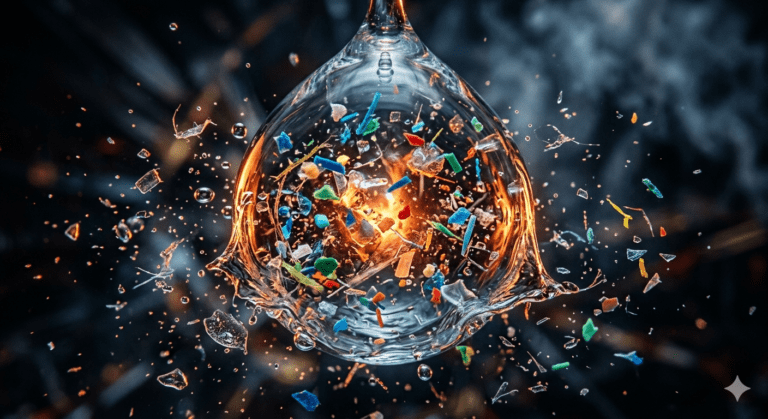
Chemical contaminants are often the most concerning because they can accumulate over time. These include substances such as chlorine, fluoride, pesticides, and heavy metals like lead and mercury. These pollutants often originate from industrial waste, agricultural runoff, or aging plumbing systems.
Exposure to chemical contaminants can lead to serious health issues. For example, prolonged exposure to lead is linked to neurological damage, especially in children. That’s why testing for these substances is crucial.
Biological Contaminants
Biological contaminants include bacteria, viruses, and parasites. These are typically introduced into water through sewage leaks or natural sources, such as soil and animal waste. Common examples include E. coli and Giardia.
Unlike chemical contaminants, biological threats can cause immediate health issues such as gastrointestinal illness. This makes rapid detection even more critical, especially for households relying on well water.
Practical Advice
How to Use Water Testing Kits
Using a water testing kit is surprisingly straightforward. Most kits come with clear instructions, but the basic process remains consistent. You collect a water sample, apply it to a test strip or device, and wait for a reaction—usually a color change or digital reading.
For example, test strips are dipped into water and compared against a color chart. Digital testers, on the other hand, provide precise numerical values. Laboratory kits may require you to send samples for detailed analysis.
Accuracy depends on following the instructions carefully. Even small mistakes, like contaminating the sample or misreading results, can lead to incorrect conclusions. Always use clean containers and test water at room temperature for best results.
How Often Should You Test Water?
Frequency depends on your water source. If you rely on municipal water, testing once or twice a year is usually sufficient. However, if you use well water, more frequent testing—every 3 to 6 months—is recommended.
Situations like plumbing changes, flooding, or unusual taste and odor should also prompt immediate testing. Think of it like a health check-up for your water supply—you don’t wait until there’s a problem.
Types of Water Testing Kits
Test Strips
Test strips are the most common and affordable option. They’re quick, easy to use, and provide instant results. However, they may lack the precision of more advanced methods.
Digital Testers
Digital testers offer higher accuracy and are ideal for measuring parameters like pH and TDS (Total Dissolved Solids). They’re reusable and provide clear readings, making them a popular choice for regular monitoring.
Laboratory Kits
Laboratory kits are the most comprehensive option. They analyze a wide range of contaminants and provide detailed reports. While more expensive, they’re essential for thorough testing.
Filtration Solutions
Matching Test Results with Filters
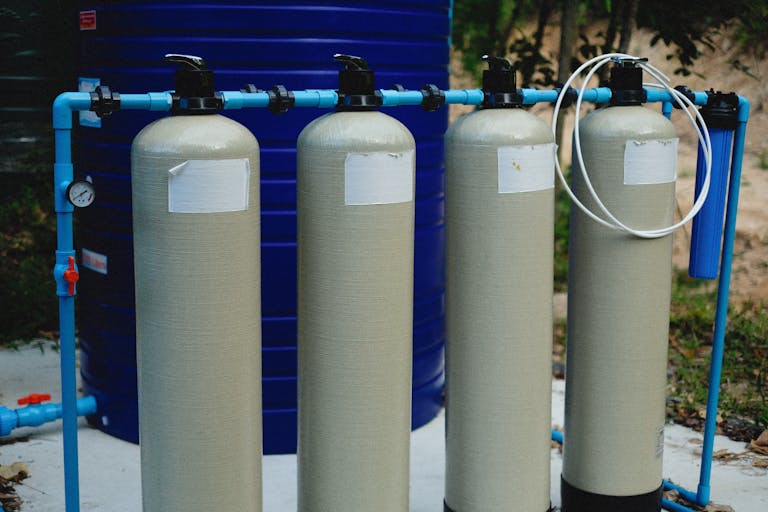
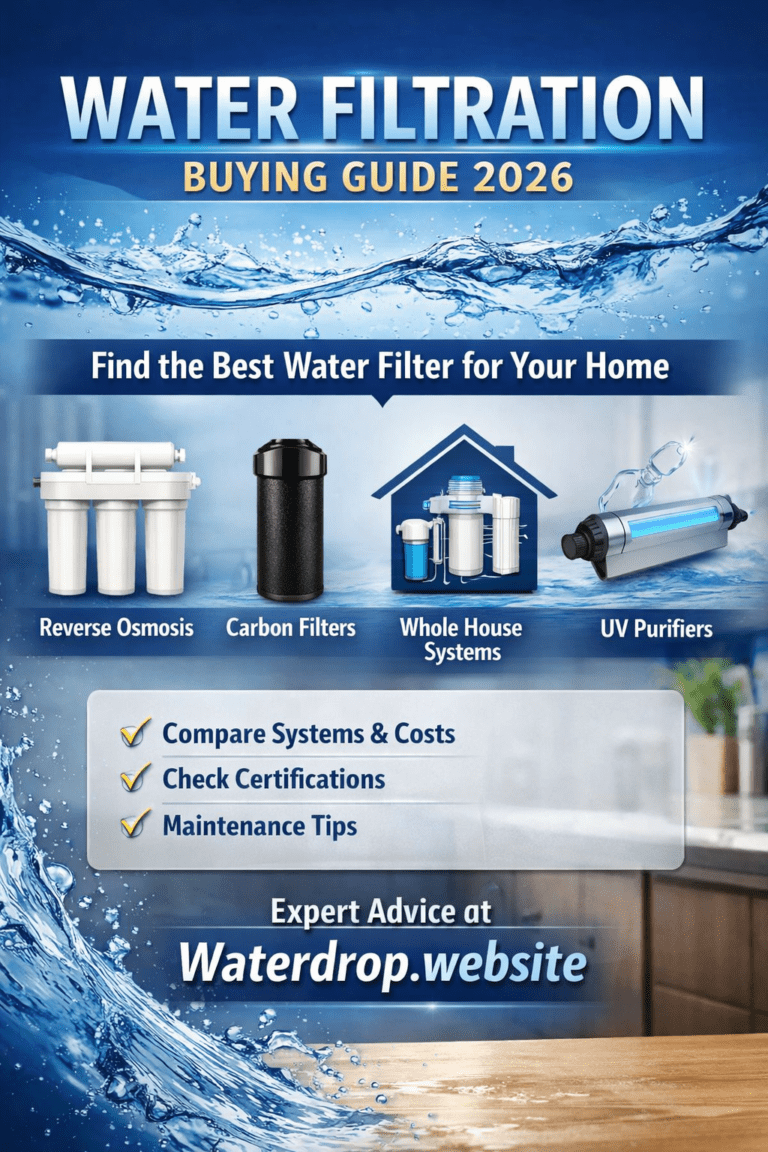
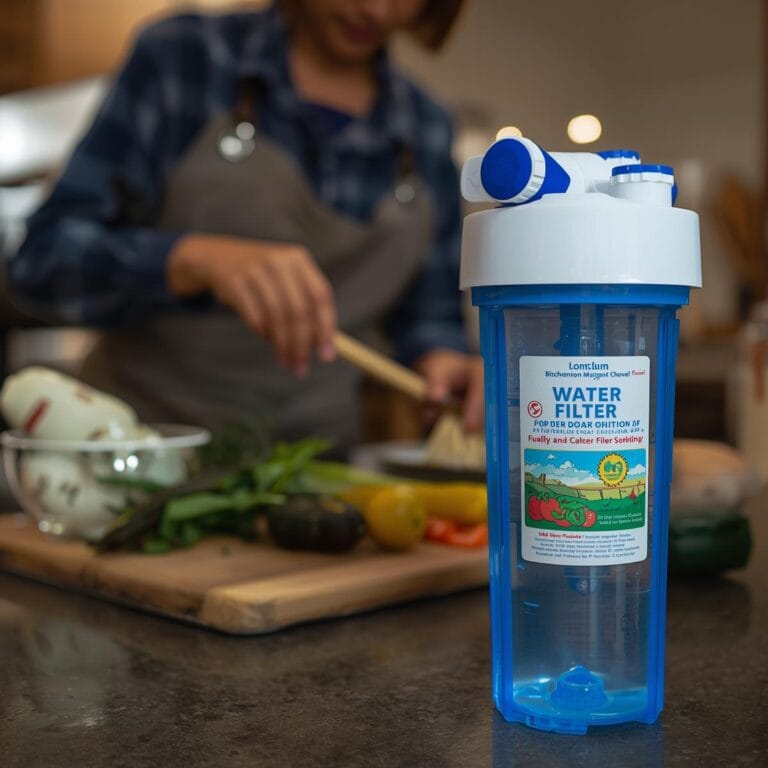
Testing your water is only half the story—the real value comes from acting on the results. If your test shows high chlorine levels, a simple carbon filter might solve the issue. But if you detect heavy metals like lead, you’ll need something more advanced, such as reverse osmosis.
It’s important to match the filtration method to the specific contaminant. Using the wrong filter is like trying to fix a leak with tape—it might help temporarily, but it won’t solve the problem.
Statistics About Water Quality
Recent studies reveal some eye-opening facts:
- Around 2 billion people globally lack access to safely managed drinking water.
- In developed countries, up to 10% of households may have elevated lead levels.
- Approximately 80% of wastewater worldwide is released untreated into the environment.
These numbers highlight why personal water testing is becoming increasingly important. Even in areas with advanced infrastructure, risks still exist.
References to Global Organizations
Organizations like the World Health Organization (WHO) set international guidelines for drinking water quality. According to WHO, safe drinking water should be free from harmful contaminants and meet strict chemical and microbial standards.
Similarly, agencies like the EPA (Environmental Protection Agency) provide regulations and testing protocols, ensuring public water systems maintain safety standards.
Internal Resources
For more in-depth guides, check out these helpful resources:
These pillar pages offer step-by-step tutorials and expert insights on improving water quality at home.
Conclusion
Water testing kits empower you to take control of your water quality in a way that’s both practical and accessible. Instead of relying solely on external reports, you gain firsthand knowledge of what’s flowing through your taps. That kind of awareness is invaluable.
From understanding contaminants to choosing the right filtration system, every step you take improves not just your water—but your health. It’s a small investment with a massive return.
FAQs
1. Are water testing kits accurate?
Yes, most kits provide reliable results, especially digital testers and lab kits. However, accuracy depends on proper usage.
2. Can I test water at home without professional help?
Absolutely. Most kits are designed for home use and require no technical expertise.
3. What is the safest pH level for drinking water?
A pH range between 6.5 and 8.5 is considered safe.
4. Do water filters remove all contaminants?
No. Different filters target specific contaminants, so choosing the right one is essential.
5. How long do water testing kits last?
Most kits have a shelf life of 1–2 years, depending on storage conditions.