Introduction
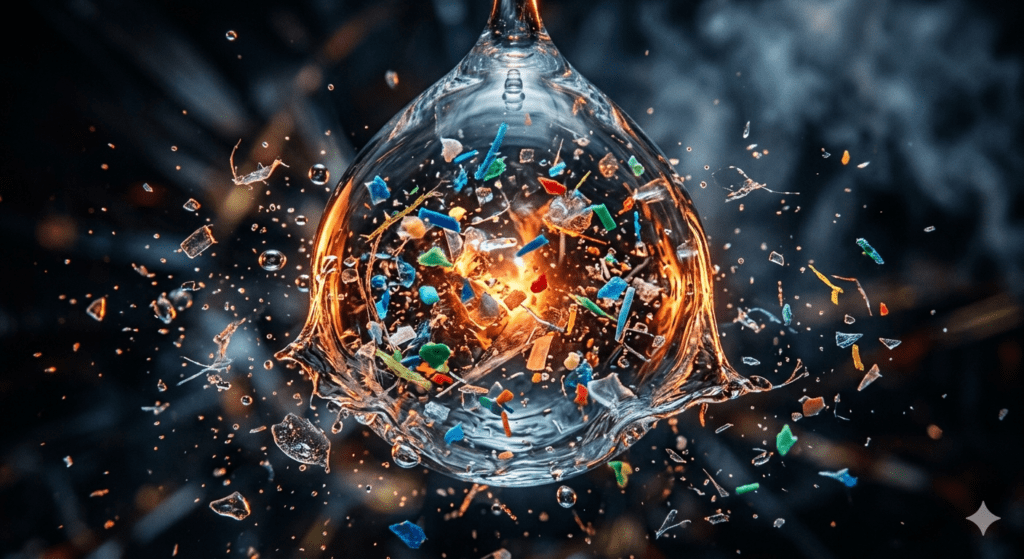
Microplastics have quietly become one of the most discussed environmental and public health issues of the 21st century. These tiny plastic fragments—often invisible to the naked eye—are now found almost everywhere on Earth, from the deepest ocean trenches to the air we breathe. One of the most alarming discoveries in recent years is their presence in drinking water. Whether you drink tap water or bottled water, studies increasingly show that microplastics can enter our daily water supply, raising concerns about long-term health effects.
Plastic has revolutionized modern life. It is lightweight, durable, and incredibly versatile. Yet those same qualities make it persistent in the environment. Over time, plastic items break down into smaller pieces known as microplastics, typically measuring less than 5 millimeters in size. These particles originate from various sources such as degraded plastic packaging, synthetic textiles, tire wear, and industrial waste. Once released into the environment, they can travel through rivers, oceans, soil, and even the atmosphere.
The presence of microplastics in drinking water has sparked growing interest among scientists and health organizations. Research indicates that humans may consume tens of thousands of microplastic particles each year through food, air, and beverages. According to studies reviewing more than 140 scientific papers, people ingest between 39,000 and 52,000 microplastic particles annually, and individuals who drink bottled water may ingest about 90,000 additional particles per year compared to those who rely primarily on tap water.
This growing body of evidence raises a fundamental question: Should we be worried about microplastics in our drinking water? To answer that question, we must explore the science behind microplastic contamination, the potential risks to human health, and the technologies available to reduce exposure.
What Are Microplastics?
Microplastics are tiny fragments of plastic material that typically measure between 1 micrometer and 5 millimeters. They form when larger plastic objects break down through sunlight, heat, chemical reactions, and mechanical wear. Some microplastics are intentionally manufactured at small sizes—for example, microbeads used in cosmetics or industrial abrasives—while others originate from degraded plastic waste.
Once microplastics enter the environment, they become extremely difficult to remove. They can float in water, settle in sediments, or travel through the air as dust. Scientists have detected them in oceans, rivers, soil, rainwater, and even Arctic ice. Alarmingly, microplastics have also been found in human blood, lungs, and placenta, indicating that they can enter and circulate within the body.
Their small size allows them to pass through filtration systems and biological barriers more easily than larger pollutants. This is why microplastics are now being studied not just as environmental contaminants but also as potential emerging health risks.
Why Microplastics in Water Are a Global Concern
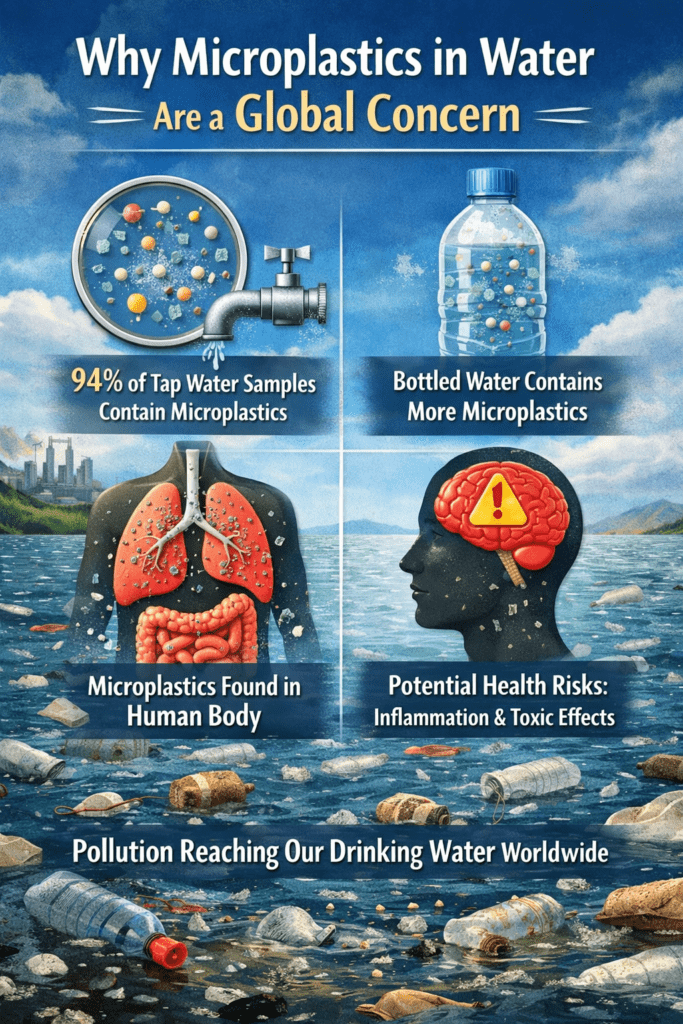
Drinking water is one of the most essential resources for human survival. Any contamination in this supply can have widespread consequences for public health. Unlike traditional pollutants such as bacteria or heavy metals, microplastics represent a relatively new category of contamination that scientists are still trying to understand.
Recent research shows that 94% of tap water samples tested in the United States contained microplastics, highlighting how widespread the issue has become. Even though many water treatment facilities remove a large portion of these particles, extremely small microplastics—sometimes called nanoplastics—can still remain.
Another surprising discovery is that bottled water, often perceived as cleaner, may contain even higher concentrations of microplastics. Studies have found hundreds of thousands of plastic fragments per liter in some bottled water samples, suggesting that packaging and production processes may introduce additional contamination.
As scientists uncover more evidence, it becomes clear that microplastics are not just an environmental issue—they are a drinking water quality challenge that requires new monitoring methods, regulations, and filtration technologies.
Are Microplastics Present in Drinking Water?
Yes. Microplastics are widely detected in both tap water and bottled drinking water worldwide. Scientific studies show that drinking water can contain anywhere from a few particles to more than 1,000 microplastic particles per liter, depending on the source and detection method.
Although modern treatment plants remove many contaminants, very small plastic particles often pass through conventional filtration systems. Research also indicates that bottled water may contain higher concentrations of microplastics due to packaging materials and manufacturing processes.
While scientists are still studying the long-term health effects, many experts recommend reducing exposure through filtration systems and minimizing the use of single-use plastic bottles.
How Microplastics Enter Drinking Water Systems
Microplastics can enter drinking water through multiple environmental pathways. One of the most common sources is the breakdown of plastic waste in rivers and oceans. When plastic bags, bottles, and packaging degrade over time, they release tiny fragments that eventually make their way into water bodies used as drinking water sources.
Wastewater treatment plants are another major pathway. Everyday activities such as washing synthetic clothing release microscopic plastic fibers that enter sewage systems. Although treatment facilities remove a large portion of these particles, billions still escape into natural waterways each day.
Rainfall also contributes to contamination. Microplastics can travel through the air and fall with precipitation, landing in lakes, reservoirs, and groundwater sources. Studies have found microplastics in rainwater samples, demonstrating how widespread these particles have become in the global environment.
Once microplastics enter drinking water sources, they may pass through conventional treatment processes. Some particles are removed during filtration and sedimentation, but smaller fragments can remain suspended in water and reach household taps.
Size, Types, and Detection of Microplastics
Understanding microplastics requires examining their size, composition, and behavior in water. Scientists classify microplastics into two main categories: primary microplastics and secondary microplastics.
Primary microplastics are intentionally manufactured at microscopic sizes, often used in industrial processes or cosmetic products. Secondary microplastics form when larger plastic materials degrade due to sunlight, heat, and mechanical stress.
The challenge for researchers lies in detecting extremely small particles. Many traditional monitoring methods only measure microplastics larger than 20 micrometers, but newer techniques reveal that the majority of particles in drinking water are even smaller than this threshold. In fact, some studies found that 98% of detected microplastics were smaller than 20 micrometers, making them difficult to monitor with conventional technology.
These tiny particles may be particularly concerning because smaller plastics have a higher chance of crossing biological barriers and entering the bloodstream. As detection methods improve, scientists are discovering that microplastic contamination may be more widespread than previously thought.
Health Effects of Microplastics on Humans
Research into the health effects of microplastics is still evolving, but early findings raise important questions. Laboratory studies suggest that microplastics can cause inflammation, oxidative stress, and hormonal disruption in cells and tissues. Some researchers also suspect links to reproductive issues and neurological effects, although definitive human evidence is still limited.
When people consume water containing microplastics, the particles may pass through the digestive system. Larger particles are typically excreted, but smaller fragments may cross intestinal barriers and enter the bloodstream. Scientists have already detected microplastics in human organs, including the liver and lungs, suggesting that long-term accumulation may occur.
The uncertainty surrounding these potential health impacts is why many experts advocate a precautionary approach. Reducing microplastic exposure—especially through drinking water—is seen as a sensible strategy until more research clarifies the risks.
Statistics and Research Findings
Global Microplastic Contamination Data
Scientific studies reveal how widespread microplastic contamination has become. The following table summarizes key findings from global research:
| Statistic | Finding |
|---|---|
| Microplastics detected in tap water | Up to 94% of samples tested positive |
| Average annual intake | 39,000–52,000 particles per person |
| Additional intake from bottled water | Up to 90,000 extra particles annually |
| Microplastic concentration in drinking water | 19–1,154 particles per liter |
| Environmental microplastic emissions in Europe | 75,000–300,000 tonnes annually |
These numbers demonstrate the scale of the problem. Microplastics are now present in nearly every part of the global water cycle, from wastewater to drinking water supplies.
Bottled Water vs Tap Water Microplastics
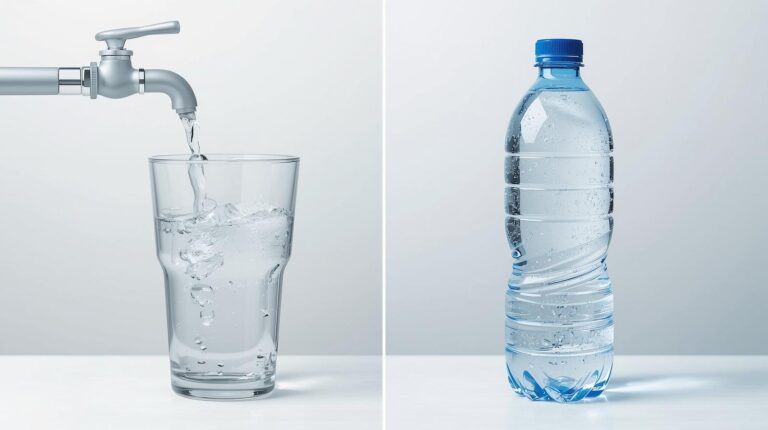
Many consumers assume bottled water is safer than tap water. However, research increasingly suggests the opposite may be true. Studies have shown that bottled water often contains significantly higher levels of microplastics than municipal tap water.
| Water Source | Average Microplastic Exposure |
|---|---|
| Tap water drinkers | ~4,000–7,000 particles per year |
| Bottled water drinkers | Up to 90,000 additional particles annually |
The higher levels in bottled water may come from plastic packaging, manufacturing processes, and storage conditions such as heat and sunlight.
This does not necessarily mean tap water is completely free of microplastics, but it highlights the importance of understanding the sources of contamination.
Practical Advice for Reducing Exposure
Lifestyle Changes to Minimize Microplastic Intake
Reducing microplastic exposure may sound complicated, but small changes can make a noticeable difference. One of the simplest strategies is limiting the use of single-use plastic bottles. Switching to filtered tap water and using reusable glass or stainless-steel bottles can significantly reduce the number of plastic particles ingested.
Avoiding heat exposure to plastic containers is another important step. When plastic bottles are left in hot cars or exposed to sunlight, they can release more microscopic fragments into the water. Choosing alternatives such as glass containers or insulated metal bottles helps minimize this risk.
Cooking and food storage habits also matter. Using plastic containers in microwaves or storing hot food in plastic packaging can increase the release of microplastics. Opting for glass or ceramic containers is generally considered a safer option.
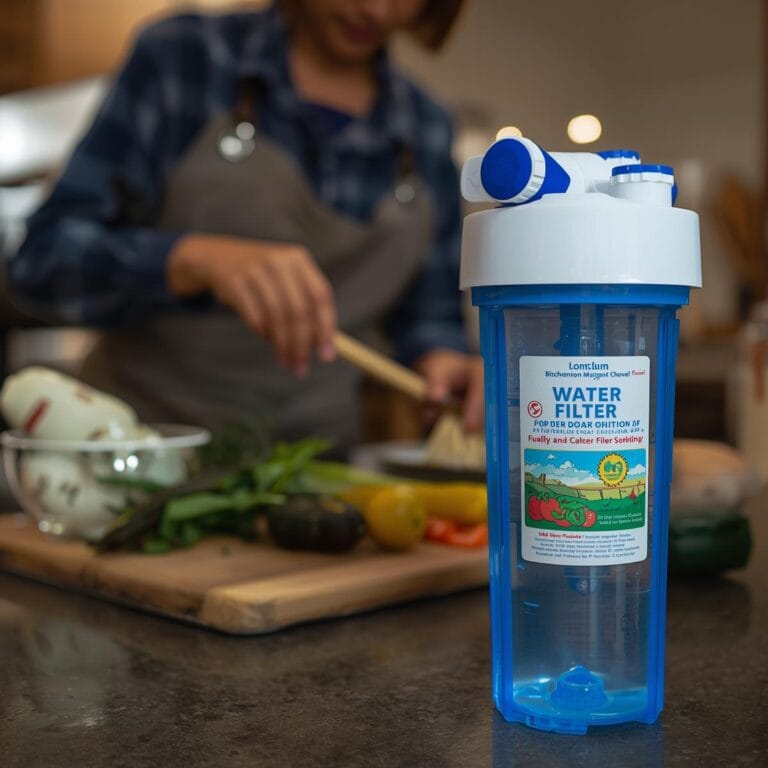
Many experts also recommend installing household water filters designed to remove fine particles. While no solution eliminates microplastics completely, advanced filtration systems can significantly reduce their presence in drinking water.
Filtration Solutions
Types of Water Filters That Remove Microplastics

Several water filtration technologies can help remove microplastics from drinking water. Each system works differently and varies in efficiency, cost, and maintenance requirements.
The most common filtration technologies include:
- Reverse Osmosis (RO): Uses a semi-permeable membrane to remove extremely small particles, including microplastics.
- Activated Carbon Filters: Improve taste and remove some contaminants but may not capture the smallest plastic particles.
- Ultrafiltration Membranes: Designed to remove fine particles and microorganisms.
- Ceramic Filters: Effective at capturing larger particles and bacteria.
Among these options, reverse osmosis systems are generally considered the most effective for removing microscopic contaminants.
Comparison Table of Filtration Technologies
| Filtration Method | Microplastic Removal Efficiency | Cost | Maintenance |
|---|---|---|---|
| Reverse Osmosis | Very High | High | Moderate |
| Activated Carbon | Moderate | Low | Low |
| Ultrafiltration | High | Medium | Moderate |
| Ceramic Filters | Moderate | Low | Low |
Choosing the right system depends on your household water quality and budget. If you want to learn more about water contaminants like heavy metals, you can explore this guide on lead contamination in drinking water:
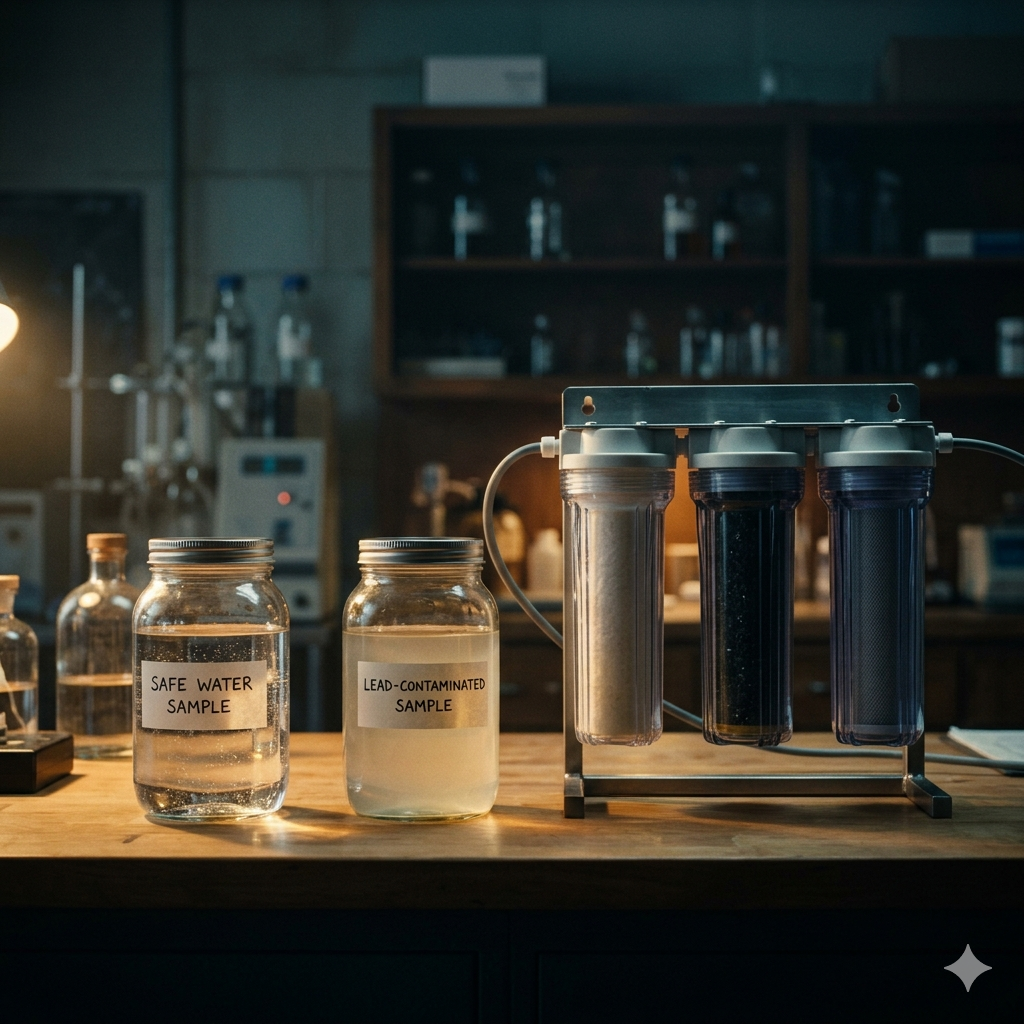
Lead in Drinking Water Health Risks, Scientific Evidence, and Effective Filtration Solutions
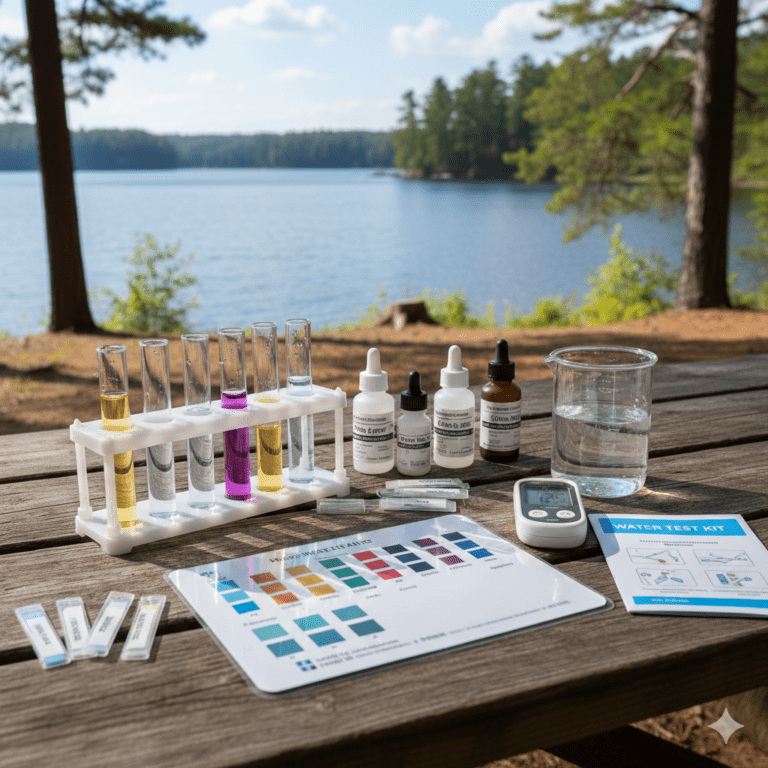
In this comprehensive guide, you’ll learn exactly how to test the quality of water in your home

Water is something we use every single day — for drinking, cooking, bathing, and cleaning. But have you ever stopped to ask yourself: Is the water in my home truly safe and clean?
International Organizations and Regulations
Global organizations are beginning to address the issue of microplastics in drinking water. The World Health Organization (WHO) has acknowledged the growing concern and published reports evaluating potential risks. Current evidence suggests that most microplastics pass through the human digestive system without being absorbed, but the organization emphasizes that more research is needed, particularly regarding smaller nanoplastics.
Environmental agencies in Europe and North America are also developing monitoring methods and regulatory frameworks. The European Union has started establishing standardized procedures for measuring microplastics in drinking water, although detection limits remain under debate due to the extremely small size of many particles.
These initiatives reflect a broader shift toward recognizing microplastics as an emerging contaminant. As scientific knowledge advances, governments may introduce stricter regulations and improved water treatment standards to protect public health.
Conclusion
Microplastics in drinking water represent one of the most intriguing and concerning environmental discoveries of recent decades. Once considered harmless fragments of degraded plastic, these microscopic particles are now known to circulate throughout ecosystems and even inside the human body. Research shows that both tap water and bottled water can contain microplastics, with bottled water often exhibiting higher concentrations.
Although the long-term health effects are still being studied, early evidence suggests that reducing exposure is a sensible precaution. Simple lifestyle changes—such as minimizing plastic bottle use, avoiding heat exposure to plastic containers, and installing effective water filtration systems—can significantly lower the number of microplastic particles consumed.
The issue also highlights the broader challenge of plastic pollution. Addressing microplastics in drinking water will require cooperation between scientists, policymakers, industries, and consumers. By improving monitoring technologies, developing stronger regulations, and reducing plastic waste globally, society can work toward a safer and cleaner water supply for future generations.
Frequently Asked Questions (FAQ)
1. Are microplastics harmful to human health?
Scientists are still studying the long-term health effects. Early research suggests that microplastics may cause inflammation, hormonal disruption, and oxidative stress, but more evidence is needed to determine the full impact on human health.
2. Is bottled water safer than tap water?
Not necessarily. Many studies show bottled water can contain higher levels of microplastics than tap water due to plastic packaging and manufacturing processes.
3. Can boiling water remove microplastics?
Some studies suggest boiling water and filtering it afterward may remove a large percentage of microplastic particles, though this method is not as effective as advanced filtration systems.
4. What is the best filter for removing microplastics?
Reverse osmosis systems are widely considered the most effective household filtration technology for removing microplastics and other microscopic contaminants.
5. How can I reduce microplastic exposure at home?
You can reduce exposure by using reusable metal or glass bottles, avoiding heating food in plastic containers, installing a high-quality water filter, and limiting single-use plastics.