Introduction
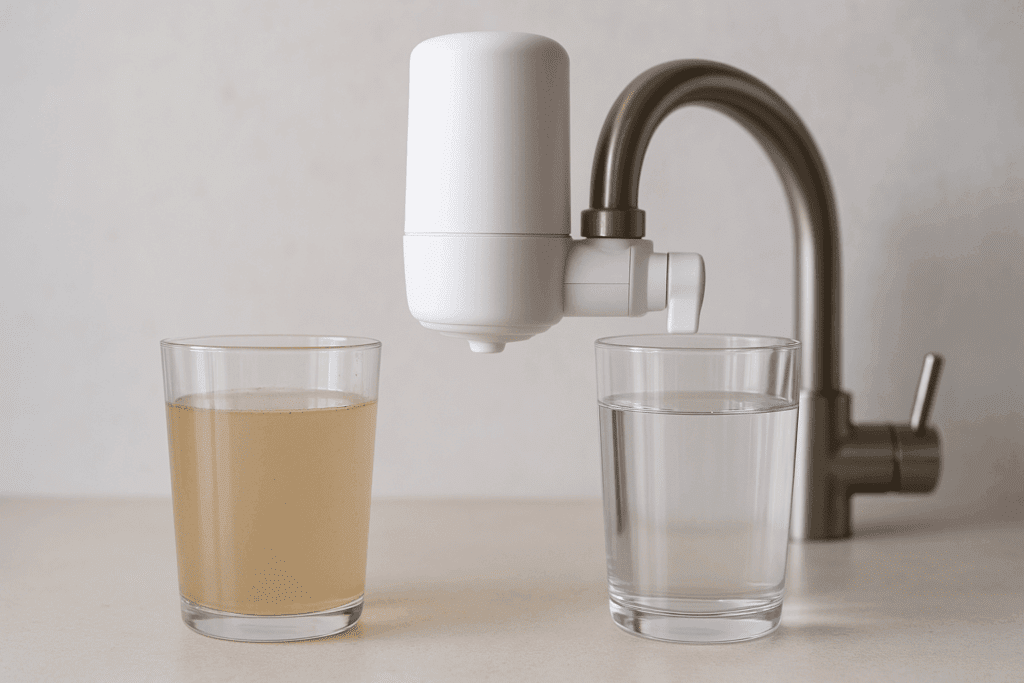
We often trust that the water flowing from our taps is safe. But with concerns about contaminants, heavy metals, and chlorine, many homeowners are turning to water filters. The big question many ask is: are water filters essential for every home, or are they simply an added luxury? Let’s break down the facts so you can make the best decision for your household.
Why Water Filters Matter
Tap water goes through treatment facilities before reaching your home. However, that doesn’t guarantee it’s free from contaminants such as:
- Chlorine and chloramine used for disinfection
- Heavy metals like lead and copper from old pipes
- Microorganisms that sometimes bypass treatment
- Chemical pollutants from industry and agriculture
This is why many experts argue that if you’re asking yourself are water filters essential, the answer depends on both water quality and health priorities.
Health Benefits of Using Water Filters
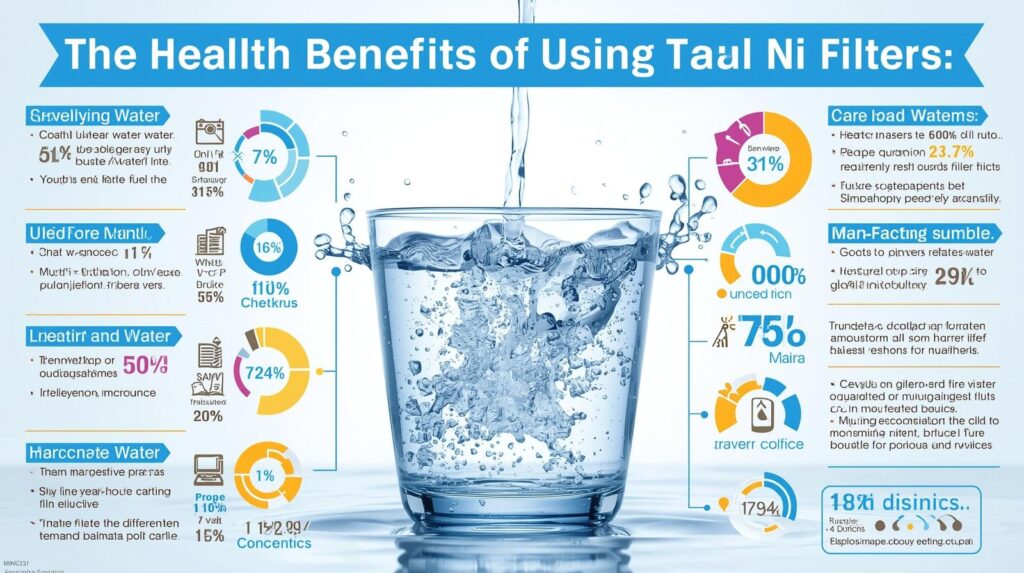
Reduced exposure to toxins: Filters can remove or reduce harmful substances like lead, arsenic, and pesticides.
Better for children and vulnerable groups: Babies, young children, and immunocompromised individuals are more sensitive to contaminants.
Improved taste and smell: Removing chlorine and sediment makes water fresher and more enjoyable.
Encourages hydration: Clean, good-tasting water often leads to better drinking habits.
For many families, these benefits alone make it clear that water filters are essential for everyday health and wellness.

Different Types of Water Filters
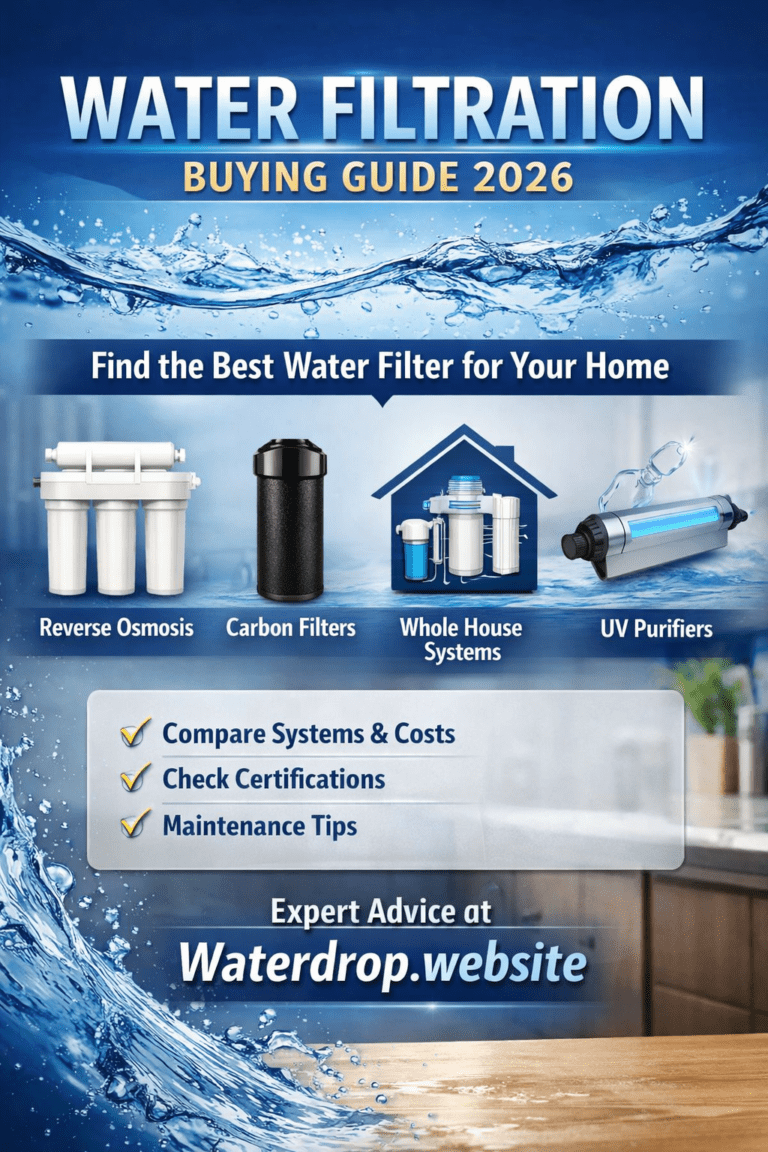
Activated Carbon Filters – Effective at removing chlorine, odors, and some chemicals.
Reverse Osmosis Systems – Remove a wide range of contaminants including heavy metals and fluoride.
UV Purifiers – Kill bacteria and viruses in the water.
Whole-House Systems – Provide filtered water to every faucet and appliance.
Understanding these types helps answer the question: are water filters essential for your home, and if so, which kind is best?
Do You Really Need a Water Filter?
The answer depends on your situation:
- If you rely on well water: A filter is almost always essential due to possible bacteria and contaminants.
- If you live in an older home: Pipes may leach metals, making a filter a smart choice.
- If your water tastes or smells unpleasant: Even if safe, filtration improves quality.
- If your local water report shows issues: A filter becomes a health necessity.
For some households, a filter may be more about peace of mind. For others, it’s a critical safeguard.
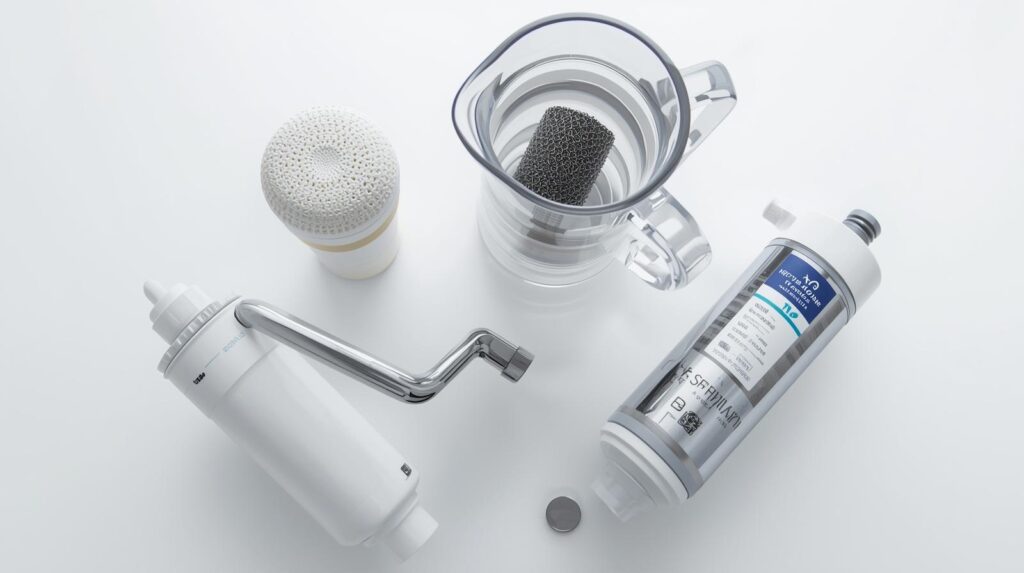
How to Choose the Right Filter
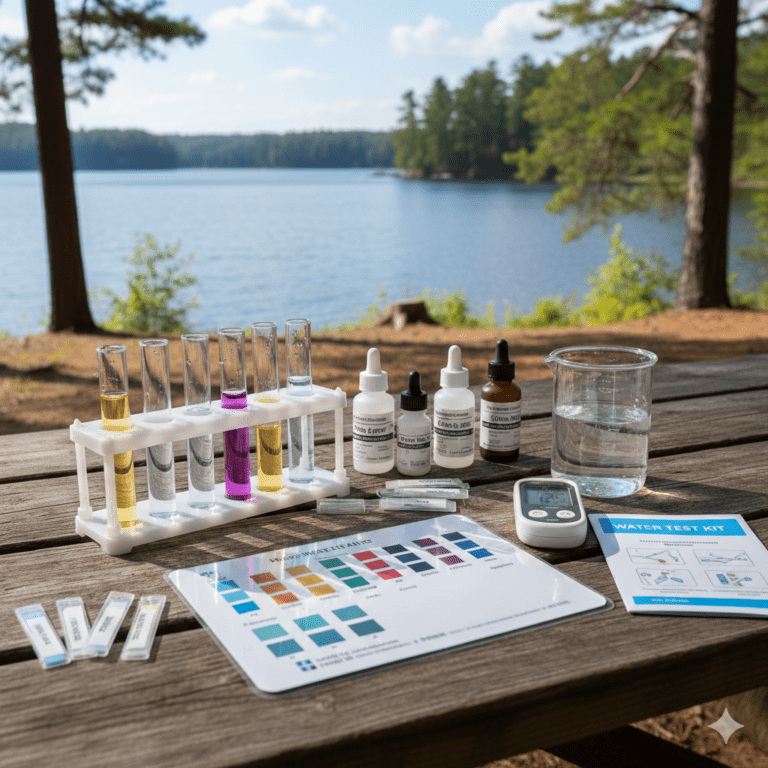
Test Your Water First – Don’t buy blindly. A water test will show what contaminants are present.
Match Filter to Need – Different systems target different pollutants.
Check for Certifications – Look for NSF/ANSI certifications to ensure effectiveness.
Consider Maintenance – Filters need regular replacements to stay effective.
Final Thoughts
So, how essential are water filters really for our homes? The answer: it depends on your water source and quality. At the very least, a filter provides cleaner, better-tasting water. At its most vital, it protects your family from harmful contaminants.
💧 A water filter isn’t just a convenience—it’s an investment in your health.