Water Safety Around the World: Global Challenges, Scientific Insights, and Practical Solutions
Introduction
Water is one of the most essential resources on Earth, yet safe drinking water is still not guaranteed for everyone. When we talk about water safety around the world, we’re referring to the ability of people everywhere to access water that is clean, free from contaminants, and safe for drinking, cooking, and hygiene. Without safe water, communities face severe health risks, economic challenges, and social inequalities. Despite technological progress and global awareness, water safety remains one of the most pressing global health challenges.
The issue is far bigger than many people realize. In many developed countries, clean water flows easily from taps, giving the impression that water safety is a universal standard. In reality, millions of families must walk long distances to collect water that may still be unsafe to drink. Rivers, wells, and lakes often serve as primary sources of water in rural communities, but these sources are frequently contaminated by bacteria, chemicals, and waste.
The global water crisis affects health, education, and economic development simultaneously. Children in areas without safe water often miss school due to waterborne diseases. Healthcare systems in vulnerable regions struggle with illnesses that could easily be prevented with clean water access. Even agriculture and food security depend heavily on water quality and availability.
Water safety is not simply an environmental issue—it is a public health issue, a human rights issue, and an economic issue. International organizations, governments, and scientists continue working toward solutions, but the path toward universal safe water access remains complex. Understanding how water safety works globally is the first step toward solving this challenge.
Clear Answer – What Does Water Safety Around the World Mean?
At its core, water safety around the world means ensuring that all people have reliable access to clean, uncontaminated drinking water that meets international health standards. Safe water must be free from harmful microorganisms, toxic chemicals, and pollutants that could harm human health.
According to global health authorities, safely managed drinking water must meet three main criteria. First, it must come from an improved source such as piped water, protected wells, or properly managed systems. Second, it must be available when needed, meaning households can access it without excessive travel or waiting time. Third, the water must be free from microbial contamination and harmful chemicals.
Despite global progress, billions of people still struggle to meet these standards. Recent international reports indicate that about 2.1 billion people—roughly one in four worldwide—still lack access to safely managed drinking water. This means that even in the 21st century, a significant portion of humanity relies on water that may carry bacteria, parasites, or toxic substances.
Unsafe water can cause diseases such as cholera, dysentery, typhoid fever, and hepatitis A. These illnesses disproportionately affect vulnerable populations, especially children under five years old. For communities without reliable water infrastructure, everyday tasks like cooking, bathing, and drinking become potential health risks.
Water safety also plays a crucial role in global development. Clean water improves education outcomes because children are healthier and spend less time collecting water. It strengthens local economies because healthy communities can work, learn, and innovate more effectively. In short, water safety is a cornerstone of sustainable development worldwide.
Scientific Explanation of Water Safety
What Makes Water Unsafe?
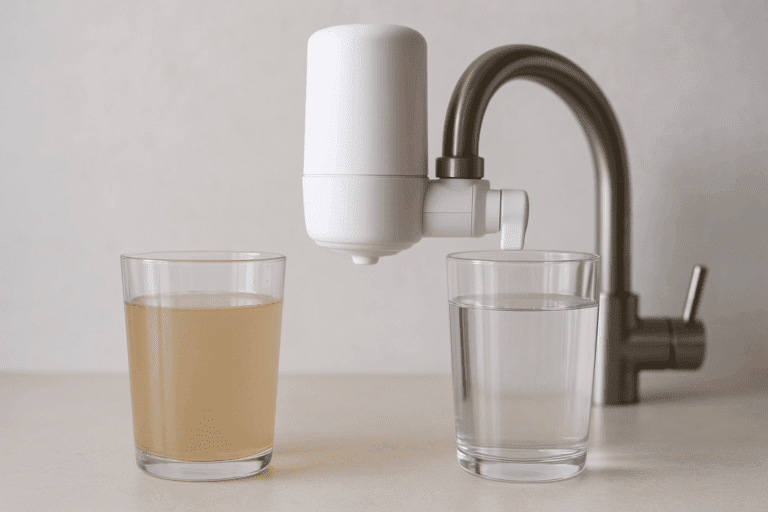
Water may appear clear and refreshing, but appearances can be deceiving. Many harmful contaminants are invisible to the naked eye. Water becomes unsafe when it contains biological pathogens, chemical pollutants, or physical impurities that exceed safe health thresholds.
Microorganisms represent one of the most common causes of water contamination. These include bacteria, viruses, and parasites that enter water sources through human or animal waste. When sanitation systems are poor, rainfall can wash contaminants into rivers and groundwater supplies. In many rural regions, water sources lie dangerously close to latrines or agricultural fields, increasing the risk of contamination.
Chemical pollution is another major threat to water safety. Industrial waste, mining operations, pesticides, and fertilizers can introduce toxic substances into rivers and groundwater. Heavy metals such as lead, arsenic, and mercury are particularly dangerous because they accumulate in the body over time. Even low levels of exposure can lead to long-term health problems, including neurological damage and organ failure.
Climate change also influences water safety. Rising temperatures can encourage microbial growth in water systems, while extreme weather events increase the risk of contamination. Floods can overwhelm sewage systems, allowing pathogens to enter drinking water supplies. Droughts, on the other hand, concentrate pollutants in shrinking water sources.
How Water Contamination Affects Human Health
The health effects of unsafe water are far-reaching and often devastating. Contaminated drinking water can transmit diseases such as cholera, dysentery, typhoid fever, and polio. According to global health estimates, microbial contamination of drinking water causes approximately 505,000 diarrheal deaths each year.
Children are particularly vulnerable to waterborne diseases because their immune systems are still developing. In many developing regions, diarrhea remains one of the leading causes of child mortality. Repeated infections can also lead to chronic malnutrition, stunted growth, and cognitive impairment.
The impact of unsafe water extends beyond infectious diseases. Long-term exposure to chemical contaminants can cause serious health conditions such as cancer, kidney damage, and neurological disorders. Arsenic contamination, for example, affects millions of people worldwide, particularly in parts of South Asia.
Water safety also affects mental well-being and social stability. Communities that lack reliable water sources often experience stress and conflict over access to limited resources. Women and children frequently carry the burden of collecting water, spending hours each day walking to distant wells or rivers.
Key Types of Water Contaminants
Understanding water safety requires recognizing the different types of contaminants that may be present in drinking water.
| Contaminant Type | Source | Health Risks |
|---|---|---|
| Biological pathogens | Human and animal waste | Diarrhea, cholera, typhoid |
| Heavy metals | Industrial pollution, mining | Neurological damage |
| Agricultural chemicals | Fertilizers and pesticides | Hormonal disruption |
| Microplastics | Plastic waste and bottles | Potential long-term toxicity |
Each type of contaminant requires different treatment methods. Some pollutants can be removed through boiling or simple filtration, while others require advanced purification technologies.
Global Water Safety Statistics
Access to Safe Drinking Water Worldwide
Water safety varies dramatically across regions. While some countries enjoy nearly universal access to safe drinking water, others struggle with limited infrastructure and environmental challenges.
Recent international data shows that around 73% of the global population currently uses safely managed drinking water services. Although this represents significant progress compared with previous decades, it still leaves billions without reliable access to safe water.
Global progress over the last decade has been encouraging. Nearly 961 million people gained access to safely managed drinking water services since 2015, thanks to improved infrastructure and international investment. Yet population growth and climate change continue to challenge these improvements.
Regional Differences in Water Safety
Water safety conditions differ widely between regions. Wealthier countries typically maintain extensive water treatment systems, while low-income countries often depend on wells, rivers, or community pumps.
| Region | Access to Safely Managed Drinking Water |
|---|---|
| Europe & North America | Over 95% |
| Latin America | Around 80% |
| Asia | Around 74% |
| Sub-Saharan Africa | Around 30–40% |
Rural communities generally face greater challenges than urban populations. Even when water sources are technically improved, they may still be unreliable or contaminated.
Role of International Organizations
World Health Organization and Global Water Standards
The World Health Organization (WHO) plays a central role in defining international water quality standards. Through scientific research and global monitoring, the organization establishes guidelines that governments use to regulate drinking water safety.
The WHO’s drinking-water guidelines define acceptable limits for microbial contamination, heavy metals, and chemical pollutants. These standards help governments design water treatment systems and monitor water quality across communities.
In addition to guidelines, the WHO also collaborates with countries to improve water infrastructure and sanitation systems. Through its global programs, the organization supports climate-resilient water systems, emergency response efforts, and health facility water access.
UNICEF and Global Water Initiatives
UNICEF focuses heavily on improving water access for children and vulnerable populations. Its programs support water infrastructure in schools, refugee camps, and rural communities.
UNICEF also collaborates with governments to promote hygiene education and sanitation improvements. These initiatives help reduce the spread of waterborne diseases while promoting sustainable water management.
Practical Advice for Ensuring Safe Water
Household Water Safety Practices
Even in regions with relatively safe water infrastructure, households should follow basic safety practices to ensure drinking water quality. One of the simplest and most effective methods is boiling water before consumption. Boiling kills most harmful microorganisms and significantly reduces the risk of waterborne diseases.
Another practical step involves proper water storage. Many people overlook the fact that water can become contaminated after treatment. Storing drinking water in clean, sealed containers helps prevent exposure to bacteria and environmental pollutants. Containers should be cleaned regularly and kept away from potential contamination sources such as soil, insects, or animals.
Hand hygiene also plays a crucial role in maintaining water safety. Washing hands before handling drinking water or cooking prevents the introduction of harmful pathogens. This simple habit significantly reduces the spread of diseases associated with contaminated water.
Households should also remain aware of potential warning signs of unsafe water. Unusual taste, odor, or discoloration may indicate contamination. While not all pollutants produce visible changes, these signs should prompt further testing or treatment.
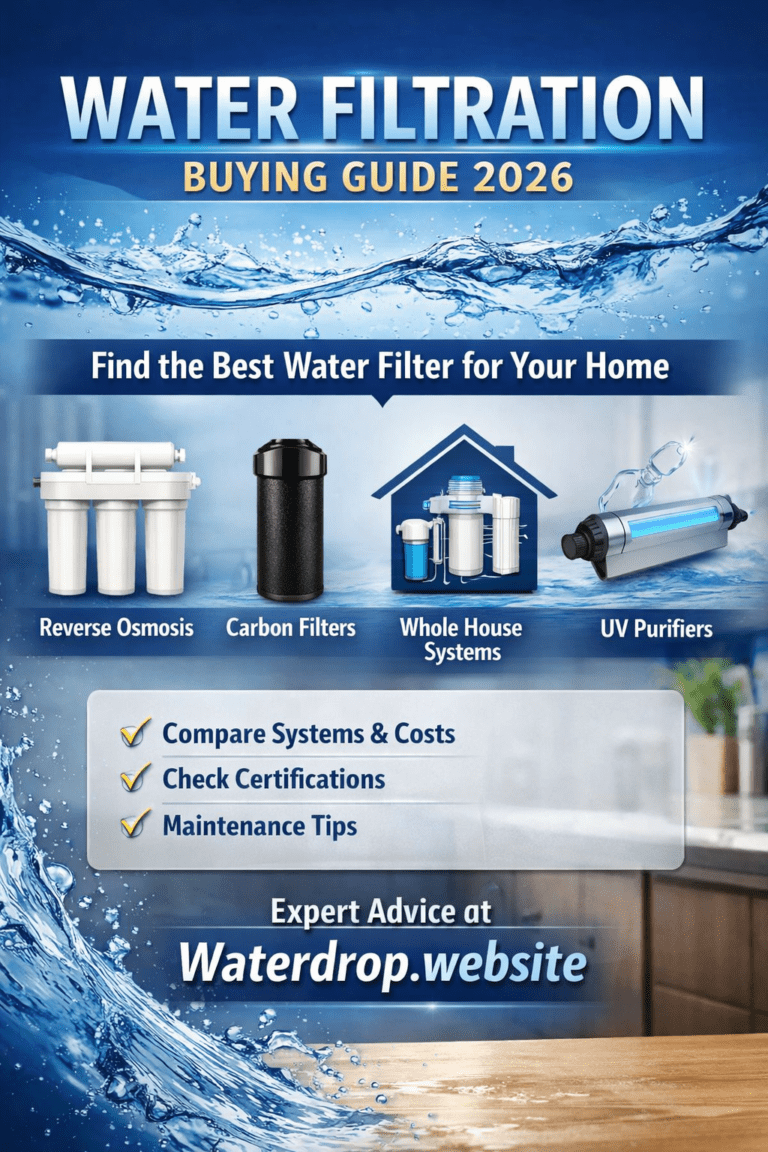
For readers interested in deeper guidance on filtration and water safety at home, the article
provides a practical overview of home water filtration strategies.
Safe Water Practices for Travelers
Traveling to regions with uncertain water quality requires additional precautions. Many travelers underestimate how easily waterborne illnesses can affect their trips. Drinking untreated tap water in areas without reliable water infrastructure may expose visitors to unfamiliar bacteria and parasites.
One of the most effective precautions is using bottled or filtered water for drinking and brushing teeth. Travelers should also avoid ice cubes in regions where tap water safety is uncertain, as ice may be made from untreated water.
Portable filtration systems and purification tablets provide convenient solutions for travelers visiting remote areas. These tools can remove harmful pathogens and improve water safety when bottled water is unavailable.
Food hygiene is another essential factor. Fresh fruits and vegetables washed with contaminated water may carry harmful microorganisms. Travelers should prioritize thoroughly cooked foods and avoid raw produce unless it can be peeled safely.
For broader insights on water safety and sustainability topics, readers can explore the resource hub here:
Filtration Solutions for Clean Drinking Water
Types of Water Filtration Systems
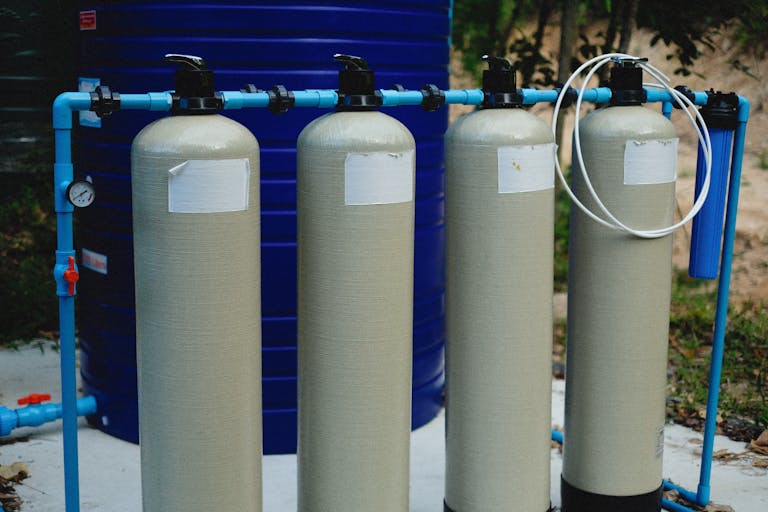
Water filtration technology has advanced significantly in recent decades, offering a wide range of solutions for improving water quality. Each type of filtration system targets specific contaminants and provides different levels of purification.
Activated carbon filters are among the most widely used household filtration technologies. These filters work by adsorbing contaminants such as chlorine, organic chemicals, and unpleasant odors. While carbon filters improve taste and remove many pollutants, they may not eliminate all microorganisms.
Reverse osmosis systems provide a more advanced level of purification. These systems force water through a semi-permeable membrane that removes dissolved salts, heavy metals, and many chemical contaminants. Reverse osmosis is particularly effective in areas with high mineral content or industrial pollution.
Ultraviolet purification systems offer another layer of protection by using UV light to destroy bacteria and viruses. This technology does not remove chemical contaminants, but it is highly effective at eliminating pathogens.
Comparing Water Filtration Technologies
| Filtration Method | Removes Bacteria | Removes Chemicals | Cost Level |
| Carbon Filter | Limited | Moderate | Low |
| Reverse Osmosis | Yes | Yes | Medium |
| UV Purification | Yes | No | Medium |
| Distillation | Yes | Yes | High |
Choosing the right filtration solution depends on local water conditions and household needs.
The Future of Water Safety
Climate Change and Water Security
The future of water safety around the world is closely linked to climate change. Rising temperatures, shifting rainfall patterns, and extreme weather events are altering water availability in many regions.
Floods can overwhelm sanitation systems, allowing sewage to contaminate drinking water supplies. Droughts reduce water availability and increase competition between communities, agriculture, and industry. These environmental pressures may intensify existing water safety challenges.
Global population growth also increases demand for freshwater resources. Experts warn that freshwater demand could exceed supply by up to 40% by 2030 if current trends continue. Sustainable water management strategies will be essential to prevent widespread shortages.
Technological innovation offers promising solutions. Advanced desalination systems, smart water monitoring technologies, and improved filtration methods are helping communities adapt to changing environmental conditions.
Conclusion
Water safety remains one of the defining challenges of modern global health. Access to safe drinking water directly influences disease prevention, economic development, and social stability. While progress over the past decades has improved water access for billions of people, the global water crisis is far from solved.
The reality that billions still lack safe drinking water highlights the need for continued investment in water infrastructure, sanitation systems, and education. Scientific research and technological innovation are providing powerful tools for improving water quality and monitoring contamination.
International organizations, governments, and local communities all play vital roles in ensuring water safety. Global cooperation will be essential to address challenges related to climate change, population growth, and environmental pollution.
Safe water is not merely a convenience—it is a fundamental human right and a cornerstone of public health.
Frequently Asked Questions
1. Why is water safety important worldwide?
Water safety is essential because contaminated water can transmit diseases such as cholera, typhoid, and dysentery. Safe water supports hygiene, prevents illness, and improves overall public health.
2. How many people lack access to safe drinking water?
Approximately 2.1 billion people worldwide lack safely managed drinking water services, meaning one in four people still face water safety challenges.
3. What are the most common sources of water contamination?
The most common sources include human and animal waste, industrial pollution, agricultural chemicals, and environmental runoff.
4. What is the safest way to treat water at home?
Boiling water, using certified filtration systems, and storing water in clean containers are among the safest household water treatment methods.
5. How does climate change affect water safety?
Climate change influences rainfall patterns, increases flooding and droughts, and can worsen contamination in water sources, making water safety more difficult to maintain.
References
- World Health Organization – Drinking Water Guidelines
- UNICEF Global Water Access Reports
- WHO & UNICEF Joint Monitoring Programme for Water Supply