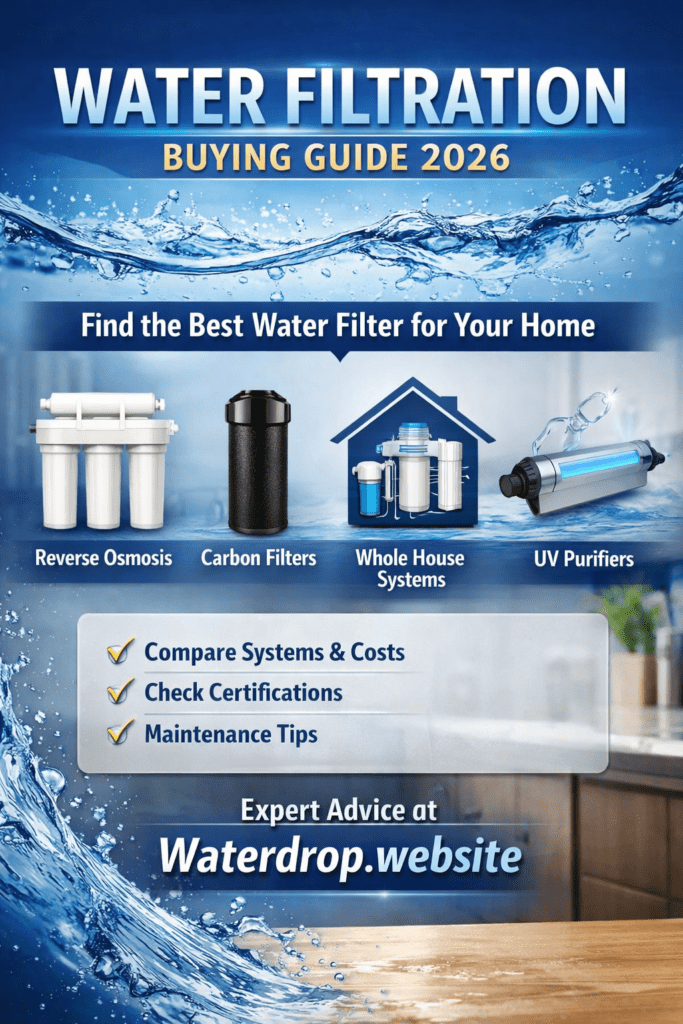
Clean water is not a luxury — it’s essential for your health and your home. With so many filtration systems available, choosing the right one can feel overwhelming.
This comprehensive guide from Waterdrop.website will help you understand:
- The different types of water filtration systems
- Key certifications and technologies
- Installation and maintenance costs
- How to choose the best option for your needs
Why You Need a Water Filtration System
Even in developed countries, tap water may contain:
- Chlorine
- Heavy metals (lead, mercury)
- PFAS (“forever chemicals”)
- Microplastics
- Bacteria & sediments
Organizations like the Environmental Protection Agency (EPA) regulate water standards, but local contamination and aging pipes can still affect quality.
You can review official water guidelines at:
🔗 https://www.epa.gov
Types of Water Filtration Systems
Choosing the right filter depends on your water source, household size, and budget.
1️⃣ Reverse Osmosis (RO) Systems
Reverse Osmosis systems are among the most effective water purification methods.
Pros:
- Removes up to 99% of contaminants
- Reduces heavy metals & fluoride
- Improves taste
Cons:
- Higher upfront cost
- Requires under-sink installation
- Produces wastewater
Best for: Homes with high contamination levels.
Learn more about RO technology here:
🔗 https://www.wqa.org
2️⃣ Activated Carbon Filters
These filters use carbon to absorb contaminants.
Pros:
- Affordable
- Easy installation
- Improves taste & odor
Cons:
- Does not remove dissolved solids
- Limited lifespan
Best for: City tap water with chlorine taste.
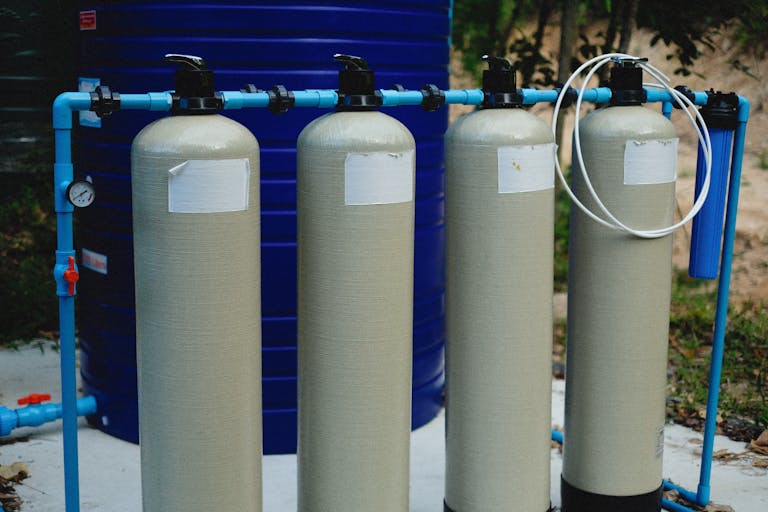
3️⃣ Whole House Water Filters
Installed at the main water line, these systems filter water before it reaches your faucets.
Pros:
- Protects plumbing
- Filters shower & appliance water
- Ideal for large households
Cons:
- Higher installation cost
Best for: Homes with well water or sediment issues.
4️⃣ UV Water Purifiers
UV systems eliminate bacteria and viruses using ultraviolet light.
Pros:
- Chemical-free disinfection
- Effective against microorganisms
Cons:
- Does not remove chemicals or heavy metals
Comparison Table
| Feature | Reverse Osmosis | Carbon Filter | Whole House | UV System |
|---|---|---|---|---|
| Removes Heavy Metals | ✅ | ❌ | ⚠️ Depends | ❌ |
| Removes Bacteria | ⚠️ | ❌ | ⚠️ | ✅ |
| Installation | Under Sink | Countertop | Main Line | Inline |
| Cost Range | $$–$$$ | $ | $$$ | $$ |
| Maintenance | Moderate | Low | Moderate | Low |
Important Certifications to Look For
When buying a water filter, always check certifications.
NSF Certification
The NSF International certifies filters for contaminant reduction and safety.
Check certification database here:
🔗 https://www.nsf.org
WQA Gold Seal
The Water Quality Association (WQA) verifies performance claims.
Official website:
🔗 https://www.wqa.org
Key Factors Before Buying
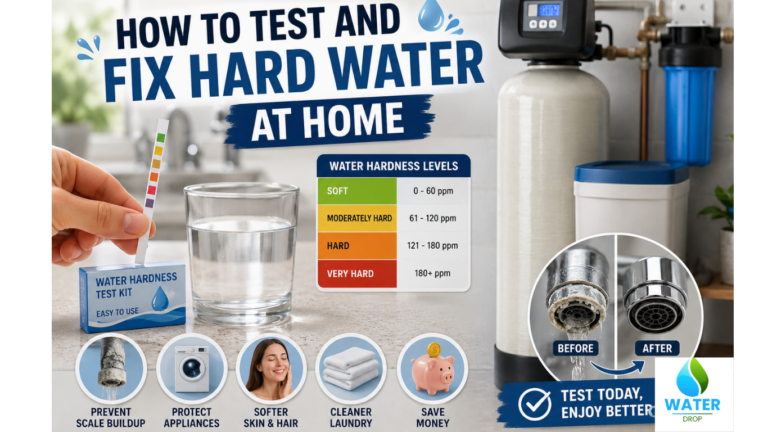
✔ 1. Water Quality Test
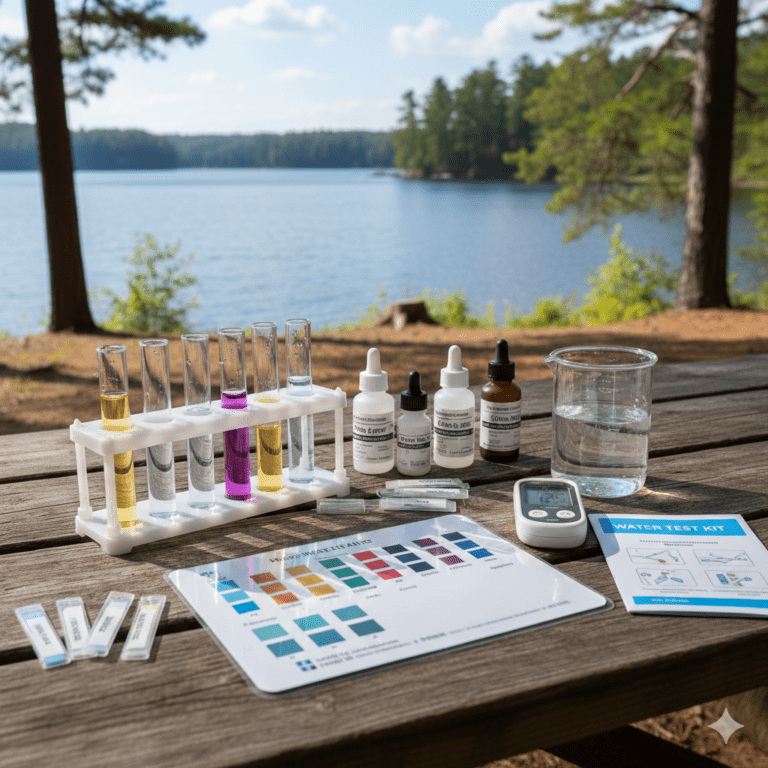
Before choosing a system, test your water.
- Municipal water: Request a report from your supplier
- Well water: Use a certified lab
You can also check your local water report through the EPA database.
✔ 2. Filter Lifespan
| Filter Type | Replacement Frequency |
|---|---|
| Carbon | 2–6 months |
| RO Membrane | 2–3 years |
| Whole House | 6–12 months |
| UV Lamp | 12 months |
✔ 3. Installation & Maintenance Cost
Consider:
- Professional installation fees
- Replacement filter cost
- Water waste (RO systems)
- Energy consumption (UV systems)
Final Buying Checklist
Before purchasing, make sure you:
✔ Tested your water
✔ Identified key contaminants
✔ Checked certifications
✔ Compared maintenance costs
✔ Read verified customer reviews
✔ Reviewed warranty terms
Conclusion
Choosing the right water filtration system protects your health, improves taste, and increases your home’s value.
Whether you need a simple carbon filter or a full reverse osmosis system, the key is understanding your water quality and matching it with the right technology.