Tap Water vs Bottled Water

Water plays a critical role in human health. The human body consists of about 60% water, and proper hydration supports brain function, digestion, circulation, and temperature regulation.

Today, people usually choose between two main drinking water sources:

Many consumers believe bottled water provides higher purity or better safety. Others prefer tap water because it costs less and produces less environmental waste.

But which option actually delivers the best balance of health, safety, cost, and sustainability?

In this article, we examine tap water vs bottled water using scientific research, statistics, and practical advice.


Tap Water vs Bottled Water – Quick Answer

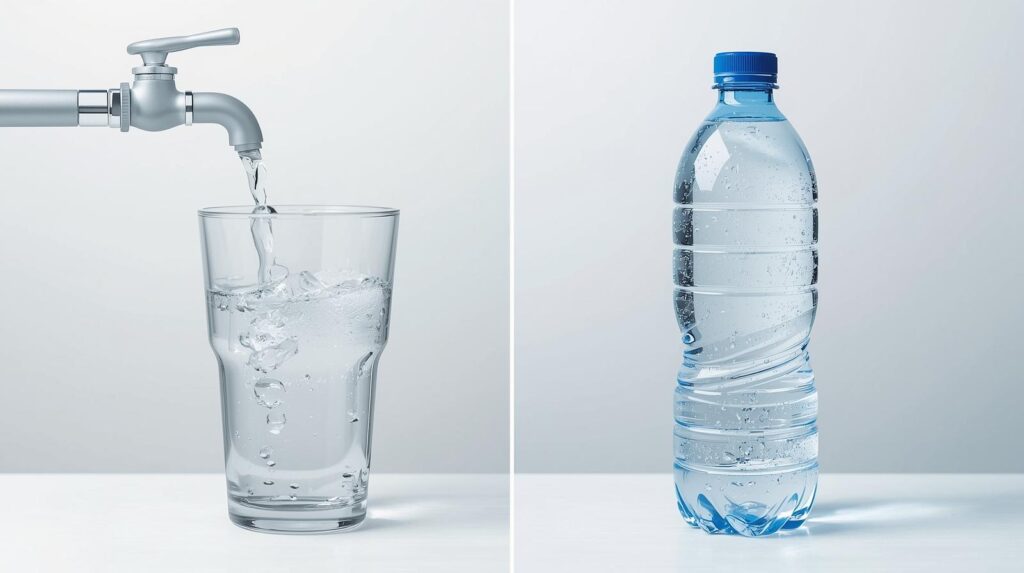
In most developed countries, tap water provides the same level of safety as bottled water and often undergoes stricter regulation. At the same time, tap water costs significantly less and produces far less environmental waste.

Comparison Table

FactorTap WaterBottled Water
SafetyGovernments strictly regulate itUsually safe but less frequently tested
CostExtremely lowMuch higher
Environmental ImpactVery lowHigh
MicroplasticsLower levelsHigher levels
ConvenienceModerateHigh

Researchers have found that bottled water can create up to 3,500 times more environmental impact than tap water due to plastic production and transportation.


Scientific Explanation

How Authorities Regulate Tap Water

Government agencies monitor tap water and enforce strict drinking water standards.

Organizations such as:

  • World Health Organization (WHO)
  • Environmental Protection Agency (EPA)
  • European Environment Agency (EEA)

establish guidelines that protect public health.

Water authorities test drinking water regularly for:

These frequent tests help ensure that municipal water systems provide safe drinking water.

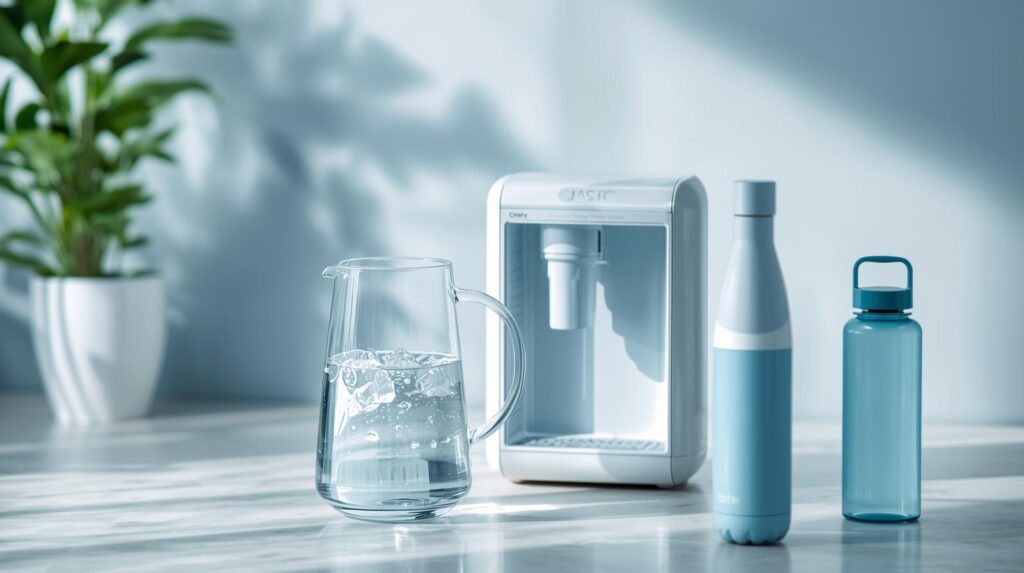
Many households achieve the best results by combining:

tap water + a home filtration system + a reusable bottle


How Companies Produce Bottled Water

Bottled water companies obtain water from several sources, including:

  • natural springs
  • underground wells
  • treated municipal supplies

Manufacturers then process the water using methods such as:

  • filtration
  • UV purification
  • reverse osmosis
  • mineral balancing

Although companies test bottled water for safety, they often conduct testing less frequently than municipal water systems.


Microplastics in Drinking Water

Scientists have recently focused on microplastics in drinking water.

Studies suggest that people who drink bottled water regularly may consume far more microplastic particles than those who drink tap water.

Estimated Annual Microplastic Intake

Water TypeEstimated Particles Per Year
Tap Water~4,000
Bottled Water~90,000

Plastic packaging, bottle caps, and transportation processes release these particles into the water.

Researchers continue to study the long-term health effects of microplastic exposure.


Environmental Impact

Bottled water production significantly affects the environment.

Environmental Comparison

CategoryTap WaterBottled Water
Plastic WasteMinimalVery high
Energy ConsumptionLowHigh
Transportation EmissionsMinimalHigh

Manufacturers produce hundreds of billions of plastic bottles every year, and many eventually enter landfills or oceans.

Tap water systems, however, require far fewer resources.


Cost Comparison

Tap water costs dramatically less than bottled water.

Average Cost per Liter

Water TypeAverage Cost
Tap Water$0.002 – $0.005
Bottled Water$0.50 – $2.00

In many cases, bottled water costs 500 to 1,000 times more than tap water.

Families who switch to tap water can save hundreds or even thousands of dollars per year.


Practical Advice

When Tap Water Is the Best Choice

Choose tap water when:

  • your region provides reliable municipal water systems
  • local authorities monitor water quality
  • the water does not have unusual taste or odor

Tap water offers several benefits:

  • extremely low cost
  • low environmental impact
  • constant accessibility

When Bottled Water Makes Sense

Bott

  • when you travel to areas with unsafe drinking water
  • during natural disasters
  • when temporary contamination affects municipal water systems

However, most households in developed countries do not need bottled water for daily use.


Filtration Solutions

Many households install water filters to improve taste or remove additional contaminants.

Activated Carbon Filters

Activated carbon filters remove:

  • chlorine
  • unpleasant odors
  • organic chemicals

Advantages include:

  • low cost
  • easy installation
  • improved taste

Reverse Osmosis Systems

Reverse osmosis systems remove a wide range of contaminants, including:

  • heavy metals
  • nitrates
  • bacteria
  • PFAS chemicals

These systems provide extremely high filtration performance but require higher installation costs.


Water Filter Pitchers

Many households use water filter pitchers because they provide:

  • low cost
  • easy maintenance
  • portability

Users must replace filters regularly to maintain performance.


Frequently Asked Questions

Is bottled water healthier than tap water?

In most cases, bottled water does not provide significant health advantages compared to tap water.


Why does tap water contain chlorine?

Water treatment facilities add chlorine to kill harmful bacteria and protect public health. The concentrations remain safe for consumption.


Is tap water safe in developed countries?

Yes. Governments regulate tap water strictly, and authorities monitor it frequently to ensure safety.


Does bottled water contain microplastics?

Studies have detected microplastic particles in many bottled water products because plastic packaging releases tiny fragments.


Conclusion

The comparison between tap water vs bottled water shows that tap water often represents the most practical and sustainable choice.

Tap water provides several advantages:

  • much lower cost
  • strict safety regulations
  • minimal environmental impact

Many households achieve the best results by combining:

tap water + a home filtration system + a reusable bottle

This approach delivers safe, affordable, and environmentally responsible drinking water.

Similar Posts